

Bedside Snapshot
- Use It For
- Suspected ACS; hypertensive pulmonary edema, including SCAPE; hypertensive emergency with ACS; perioperative hypertension
- Adult Dose
- ACS: 0.4 mg SL every 5 min (max 3 doses)
- Ongoing ischemia: 5–10 mcg/min IV, titrate every 3–5 min
- SCAPE: 0.8 mg SL every 5 min (SBP ≥160 mmHg); ED/ICU: 400–1,000 mcg IV bolus
- Pediatric Dose
- Not established: specialist use only (pediatric cardiology, PICU); IV 0.5–5 mcg/kg/min in the literature; no pediatric SL dose
- Onset / Duration
- SL/spray: 1–3 min / 30–60 min; IV: immediate / fades 3–5 min after stopping; ointment: steady state in about 1 hr
- Do Not Give / Hold If
- SBP ≤100 mmHg in EMS use (hold if <90 mmHg in any setting) or ≥30 mmHg fall; suspected RV infarction without medical direction; PDE-5 inhibitor or sGC stimulator; shock; raised ICP; tamponade or constrictive pericarditis
- Watch For
- Hypotension and syncope (BP before and after each dose); paradoxical bradycardia; preload-dependent collapse in RV infarction; headache
- Reversal / Rescue
- No antidote: stop, legs up, IV fluid; methemoglobinemia: methylene blue 1 mg/kg IV over 5–30 min (not in G6PD deficiency)
- Must Remember
- Ask about PDE-5 inhibitors every time: no nitrate within 12 hr of avanafil, 24 hr of sildenafil or vardenafil, or 48 hr of tadalafil
Indications
Emergency & Prehospital
- Suspected ACS: ongoing ischemic chest discomfort, hemodynamically stable, for symptom relief
- Stable angina: the patient's own prescribed tablets or spray (EMT: the patient's own prescribed nitroglycerin)
- Hypertensive acute pulmonary edema, including SCAPE, with CPAP or NIV
- Stimulant chest pain (cocaine, methamphetamine): with midazolam
ED / ICU / Transport
- Persistent ischemia after SL doses, or ACS with hypertension or pulmonary edema
- Decompensated heart failure without hypotension: adjunct to diuretics (Class 2b, 2022 AHA/ACC/HFSA)
- Hypertensive emergency with ACS or pulmonary edema (2017 ACC/AHA BP guideline). In aortic dissection it is not preferred. Give a beta-blocker first (esmolol, labetalol), then nicardipine or clevidipine (2022 ACC/AHA aortic guideline)
Other Uses
- Chronic angina prevention (patches, 2% ointment; not for acute relief); chronic anal fissure (0.4% ointment)
- Autonomic dysreflexia (T6 or above) if BP stays high after sitting up and removing the trigger, use 2% ointment (wipe it off once BP falls) or SL nitroglycerin per protocol (off-label). Screen for PDE-5 inhibitors first.
- Severe preeclampsia with pulmonary edema: recommended agent (off-label). Without pulmonary edema, it is not first-line for severe hypertension in pregnancy. Reach for labetalol, nifedipine or hydralazine instead.
Dosing & Administration
Doses vary by protocol; follow local protocols and medical direction.
Available Forms
- SL tablets: 0.3, 0.4 and 0.6 mg (0.4 mg is the EMS strength)
- Lingual spray: 0.4 mg (400 mcg) per spray; alcohol (Nitrolingual) or butane (NitroMist) propellant; flammable
- Premixed IV: 25, 50 or 100 mg in 250 mL D5W = 100, 200 or 400 mcg/mL; contains alcohol and propylene glycol
- IV concentrate: 5 mg/mL, 10 mL (50 mg) vial; must be diluted, never given by direct IV injection
- Ointment 2% (0.5 inch = 7.5 mg); patches 0.1–0.8 mg/hr
Adult Dosing
| Indication | Dose & Route | Repeat / Max | Notes |
|---|---|---|---|
| Suspected ACS or angina | 0.4 mg SL every 5 min: 1 tablet or 1 spray | Max 3 doses in 15 min per label; more only per medical direction | Give only if SBP >100 mmHg (NASEMSO). SBP 90–100 mmHg is marginal: weigh the risk against opioid analgesia and be ready to treat hypotension with a fluid bolus or pressor. Hold if SBP <90 mmHg. Differs from FDA label: the label gives no numeric SBP threshold (hypotension warning only). No recent PDE-5 inhibitor; 12-lead ECG first |
| EMT: the patient's own prescribed nitroglycerin | The patient's tablet or 1–2 sprays (0.4 mg each) SL | Max 3 tablets or sprays in 15 min, counting doses already taken | Only where protocol allows: own prescription, not expired, BP above threshold, PDE-5 screen negative |
| Persistent ischemia; ACS with hypertension or pulmonary edema | 5–10 mcg/min IV; increase 5 mcg/min every 3–5 min; above 20 mcg/min in steps of 10–20 | No fixed max: titrate to pain and BP | Label starts at 5 mcg/min with non-PVC tubing; the 2025 ACS table starts at 10. Reduce or stop for SBP <90 mmHg or a fall of ≥30 mmHg |
| Pulmonary edema, SBP 100–159 mmHg (EMS) | 0.4 mg SL every 5 min | Repeat while SBP >100 mmHg | With CPAP or NIV; SBP <100 mmHg: no nitrate (fluid bolus, consider a vasopressor) |
| Pulmonary edema, SBP ≥160 or MAP >120 mmHg (SCAPE) | 0.8 mg SL every 5 min (2 tablets or sprays) | Repeat while SBP >100 mmHg; consider IV infusion | NASEMSO model dosing, with CPAP or NIV; larger SL doses or IV boluses only per local protocol |
| SCAPE, high-dose IV (ED/ICU, off-label) | 400–1,000 mcg IV bolus, then 100 mcg/min IV titrated to work of breathing and BP | One same-dose repeat in some study patients; infusion titrated from 100 mcg/min | Physician-directed, with NIV and monitoring. Avoid hypotension. Studies excluded ACS and significant aortic stenosis |
| Hypertensive emergency or perioperative hypertension | 5 mcg/min IV; titrate as for ischemia | No fixed max: titrate to BP target | Aortic dissection: not preferred; beta-blocker first |
| Chronic angina prevention (not for acute relief) | Patch 0.2–0.4 mg/hr, on 12–14 hr, off 10–12 hr; or 2% ointment 0.5 inch on rising and 6 hr later | Patch up to 0.8 mg/hr; ointment up to 2 inches (30 mg); always a 10–12 hr nitrate-free interval | Remove patches and ointment before defibrillation |
Pediatric Dosing
Not Established in Children: Before any emergency use, consult pediatric cardiology. There is no pediatric SL or spray dose.
| Indication | Dose (per kg) & Route | Max Single / Max Total | Notes |
|---|---|---|---|
| Heart failure or hypertension (specialist use) | 0.5–5 mcg/kg/min IV infusion (pediatric literature, per FDA label) | Up to 5 mcg/kg/min in studies; higher only per pediatric cardiology | mL/hr = mcg/kg/min × kg × 60 ÷ mcg/mL |
| Chest pain or pulmonary edema (SL or spray) | Not established in children | Not established | Contact pediatric medical direction |
Check your calculations against weight-based dosing.
Continuous Infusion
| Setting | Example Concentration | Start | Titrate | Usual Range / Max |
|---|---|---|---|---|
| ACS / ischemia | 50 mg in 250 mL D5W (200 mcg/mL), example (institution-specific) | 5–10 mcg/min | 5 mcg/min every 3–5 min | No fixed max |
| SCAPE (ED/ICU) | 100 mg in 250 mL D5W (400 mcg/mL), example (institution-specific) | 100 mcg/min after bolus | To BP and work of breathing | Per ED/ICU protocol |
| Pediatric (specialist) | 25 mg in 250 mL D5W (100 mcg/mL), example (institution-specific) | 0.5 mcg/kg/min | Per pediatric cardiology | Up to 5 mcg/kg/min in studies |
Preparation & Administration
- Rate formula: mL/hr = mcg/min × 60 ÷ mcg/mL
- Tubing and dilution: Use a non-PVC set. PVC delivers only 20–60% of the dose. Dilute in glass with D5W or 0.9% sodium chloride, and do not exceed 400 mcg/mL
- Changing concentration: Flush the new solution through first. Otherwise the rate can lag by hours
- Line: Use an infusion pump only. Keep other medication out of the line, and never run it through the blood set
- SL technique: Have the patient seated or lying. Place it under the tongue or in the buccal pouch, never swallowed or chewed
Stopping an Infusion
- Wean rather than stop abruptly. Rebound hypertension and crescendo angina are reported.
Contraindications & Precautions
Contraindications
- A recent PDE-5 inhibitor: avanafil within 12 hr, sildenafil or vardenafil within 24 hr, tadalafil within 48 hr (NASEMSO applies 48 hr to all of them)
- Soluble guanylate cyclase (sGC) stimulators, such as riociguat
- Any hypersensitivity to nitroglycerin, other nitrates or nitrites, or any excipient (Nitrostat label, section 4.4)
- Shock or acute circulatory failure (Nitrostat label). Raised intracranial pressure and severe anemia (SL labels) are contraindications too. Hypotension is covered by the hold threshold below. SBP <90 mmHg is a guideline threshold, not a label number.
- Via IV: pericardial tamponade, restrictive cardiomyopathy or constrictive pericarditis
Precautions
- RV infarction: the patient is preload-dependent. See the warning below
- Fixed obstruction: severe aortic or mitral stenosis, and hypertrophic obstructive cardiomyopathy (relative)
- Heart rate: A rate of >100 bpm without heart failure is a relative precaution
- Older adults and volume depletion: watch for orthostatic hypotension and falls. Start low
Hold / Reassess If
- SBP <90 mmHg. SBP 90–100 mmHg is marginal in EMS use. NASEMSO gives it only if >100. A fall of ≥30 mmHg from baseline
- Hold for HR <50 bpm or for syncope
- Inferior STEMI with ST elevation in V4R, or hypotension after the first dose: reassess before giving another dose
RV Infarction: Avoid Unless Medical Direction Approves: Guidance from the 2025 ACS guideline (ACC/AHA with ACEP and NAEMSP) is to avoid nitrates when RV infarction is suspected. NASEMSO 2022 leaves the door open. Across pooled studies, the extra hypotension is mostly small and short-lived. For inferior STEMI, a V4R is the lead to get. If RV involvement is suspected, nitroglycerin needs medical direction first. Have IV access and fluid ready.
Adverse Effects & Toxicity
Common
- Headache (most common, dose-related); dizziness and postural hypotension; flushing; nausea; contact dermatitis with ointment or patches
Serious / Life-Threatening
| Effect | Recognition | Management |
|---|---|---|
| Severe hypotension and syncope | SBP <90 mmHg or ≥30 mmHg fall, pallor, collapse when upright | Stop; legs raised; IV 0.9% sodium chloride bolus; vasopressor per medical direction |
| Paradoxical bradycardia | Slow heart rate with hypotension | Stop; supine; fluids; bradycardia protocol |
| Nitrate plus PDE-5 inhibitor or sGC stimulator | Profound, prolonged hypotension | Treat as nitrate overdose: legs up, central volume expansion |
| Methemoglobinemia (rare) | Cyanosis or low SpO₂ despite oxygen; chocolate-brown blood | Stop; co-oximetry; methylene blue (below); avoid in G6PD deficiency |
Overdose & Toxicity Management
- Signs: severe hypotension, throbbing headache, vertigo, flushing then cold cyanotic skin, vomiting, syncope, bradycardia, raised intracranial pressure, seizures, coma
- Immediate care: stop the drug and remove any patch or ointment. Lay flat with legs raised. Give IV fluid and oxygen. Volume expansion is hazardous in renal or heart failure
- No specific antidote: labels warn that epinephrine and other arterial vasoconstrictors are likely to do more harm than good
- Methemoglobinemia: methylene blue 1 mg/kg IV over 5–30 min; repeat once at 1 hr if methemoglobin stays above 30% or symptoms persist (single dose in moderate or severe renal impairment), per the ProvayBlue label. Dose by mg/kg, never by solution strength. Boxed warning: serotonin syndrome with SSRIs, SNRIs, MAOIs or opioids
Monitoring
| Parameter | When / How Often | Target / Act If |
|---|---|---|
| Clinical: blood pressure and heart rate | Before each SL dose and 5 min after; continuous during IV infusion | SBP <90 mmHg or ≥30 mmHg fall: stop, legs up, fluid bolus; HR <50 bpm: stop |
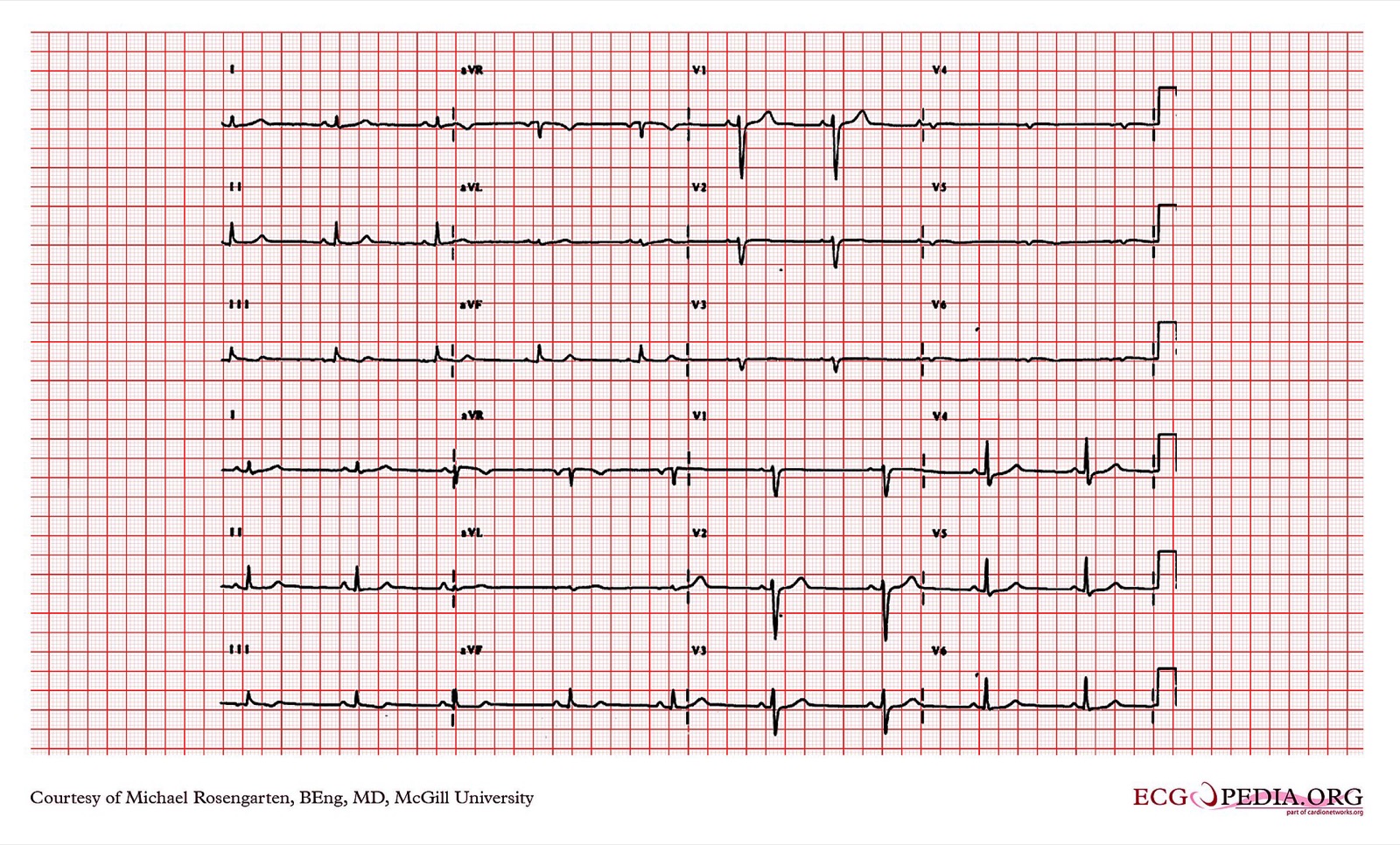
| Clinical: 12-lead ECG | Before the first dose; serially; right-sided leads with inferior STEMI | ST elevation ≥1 mm in V4R: RV involvement; nitrate only per medical direction |
| Clinical: pain, SpO₂, neurological status | After every dose; continuous in pulmonary edema | Pain unrelieved after 3 SL doses: reassess for STEMI. Worsening despite NIV and nitrates: prepare for intubation. New confusion or severe headache: stop |
| Laboratory and infusion safety | Unexplained cyanosis; diabetes on D5W; each bag or rate change | Elevated methemoglobin: stop, methylene blue if it persists. Rising requirement after about 24 hr: suspect tolerance |
Check troponin and natriuretic peptide results as well: troponin, BNP / NT-proBNP.
Interactions & Compatibility
Clinically Significant Interactions
| Drug / Class | Effect | What To Do |
|---|---|---|
| PDE-5 inhibitors (avanafil, sildenafil, tadalafil, vardenafil) | Severe hypotension, syncope, ischemia | Contraindicated: no nitrate within 12 hr (avanafil), 24 hr (sildenafil, vardenafil) or 48 hr (tadalafil) |
| Riociguat; vericiguat | Additive hypotension | Riociguat: contraindicated. Vericiguat: the label (section 12.2) reports short-acting nitrates were well tolerated in heart failure; follow medical direction |
| IV epoprostenol or treprostinil | Additive vasodilation | Avoid nitrates per NASEMSO |
| Antihypertensives, beta-blockers, calcium channel blockers, alcohol | Additive hypotension | Smaller steps, closer BP checks |
| Heparin | High-dose IV nitroglycerin can cause heparin resistance | Recheck anti-Xa or aPTT (heparin) |
| Ergotamine; dihydroergotamine | More ergot absorbed; ergots provoke angina | Avoid together |
| Long-acting nitrates; aspirin 1,000 mg | Reduced SL response (tolerance); higher nitroglycerin exposure with aspirin | Expect variable response; monitor BP |
| Alteplase (t-PA) | IV nitroglycerin lowers t-PA levels and thrombolytic effect | Be aware during fibrinolysis |
IV Compatibility
- Use D5W or 0.9% sodium chloride only, on a dedicated non-PVC line. Never mix it with other medications or run it through the blood set. Verify with an institutional compatibility resource.
Special Populations
- Pediatrics: not established. IV use belongs to pediatric cardiology and PICU alone (see Pediatric Dosing).
- Pregnancy: published data are not enough to establish a drug-associated risk. Reserve it for a clear maternal indication such as ACS.
- Lactation: SL nitroglycerin has not been studied in lactating women. It is not known whether it reaches human milk (Nitrostat label, section 8.2). Weigh the mother's clinical need against any effect on the breastfed child.
- Older Adults: expect more orthostatic hypotension and syncope. Give SL doses seated.
- Pulmonary Hypertension Patients: They may take sildenafil, tadalafil, riociguat or IV prostacyclins. Ask about each one before any nitrate.
- Renal Impairment: no specific adjustment is established. Fluid loading for nitrate hypotension is hazardous in renal failure.
- Hepatic Impairment: no specific adjustment is established.
- Obesity / Dosing Weight: adult doses are fixed (mg SL, mcg/min IV) and not weight-based. Titrate to effect.
Field & Transport Considerations
- Scope: EMTs can assist with the patient's own prescribed tablets or spray, or give from agency stock, but only where state and agency protocol allow it. AEMTs and paramedics give SL nitroglycerin for suspected ischemic chest pain. Paramedics give IV infusion or IV boluses for hypertensive pulmonary edema where protocol allows. RN and critical-care transport: IV infusion and high-dose strategies per protocol. Scope varies by state and agency protocol.
- Storage & Stability: keep tablets at 20–25°C in the original glass bottle, tightly capped. Sprays are flammable. Protect premixed bottles from freezing.
- Carried Concentration: premixed bottles come in 100, 200 and 400 mcg/mL. That is a fourfold range. Confirm the concentration and program in mcg/min at every handoff.
- Handoff Essentials: time and dose of every SL dose, BP before and after each, PDE-5 screen, 12-lead findings including V4R, infusion rate in mcg/min, response.
Clinical Pearls
Relief Does Not Diagnose ACS: Esophageal spasm and other noncardiac pain can ease after nitroglycerin. Relief proves nothing. Let the 12-lead ECG, troponin and history make the call.
Exam Discriminator, Low vs High Dose: Low doses work mainly on veins and cut preload. Higher doses also dilate arterioles and cut afterload. That is why high-dose nitroglycerin, not a diuretic, is the first drug in SCAPE.
Ask About Every PDE-5 Drug: Don't count on the patient to bring up erectile dysfunction or pulmonary hypertension drugs. Ask by name. Timing unknown? Talk to medical direction before any nitrate.
Teach the Patient: Let the tablet dissolve. No chewing, no swallowing. If pain persists after 3 doses in 15 minutes, call 911.
Pharmacology
Mechanism of Action
- Nitric oxide is released, cyclic GMP rises and smooth muscle relaxes. Venodilation lowers preload. Higher doses lower afterload too
Pharmacokinetics
| Route | Onset | Peak | Duration |
|---|---|---|---|
| SL tablet | 1–3 min | About 5 min | 30–60 min |
| IV infusion | Immediate | Minutes | Fades 3–5 min after stopping |
| Ointment 2% | Slow | Steady state in about 1 hr | Up to 7 hr per application |
- Half-life: 2–3 min; dinitrate metabolites 32–36 min
- Metabolism: liver reductase plus red blood cells and vessel walls
Names & Classification
- Generic Name
- Nitroglycerin (glyceryl trinitrate, GTN)
- Brand Names
- Nitrostat (SL); Nitrolingual and NitroMist (spray); Nitro-Bid (ointment); Nitro-Dur and Minitran (patches); Rectiv (anal ointment); IV forms are generic
- Pharmacologic Class
- Organic nitrate vasodilator (nitric oxide donor)
- Therapeutic Class
- Antianginal; preload and afterload reducer; IV antihypertensive
- Controlled Substance
- Not controlled
- ISMP High-Alert
- No: not on the ISMP acute-care high-alert list (nitroprusside is)
- Look-Alike / Sound-Alike
- None commonly reported
References
- Viatris Specialty LLC. (2023). Nitrostat (nitroglycerin) sublingual tablets: Prescribing information. DailyMed, U.S. National Library of Medicine. https://dailymed.nlm.nih.gov/dailymed/drugInfo.cfm?setid=9a52da75-d0af-4237-96c0-0b12adfa8636
- Baxter Healthcare Corporation. (2026). Nitroglycerin in 5% Dextrose Injection: Prescribing information. DailyMed, U.S. National Library of Medicine. https://dailymed.nlm.nih.gov/dailymed/drugInfo.cfm?setid=457a026c-ebce-4701-9deb-2d7652759a99
- Rao, S. V., O'Donoghue, M. L., Ruel, M., et al. (2025). 2025 ACC/AHA/ACEP/NAEMSP/SCAI guideline for the management of patients with acute coronary syndromes. Circulation, 151(13), e771–e862. https://doi.org/10.1161/CIR.0000000000001309
- National Association of State EMS Officials. (2022). National model EMS clinical guidelines, version 3.0 (Chest pain/ACS/STEMI; Respiratory distress including pulmonary edema; Stimulant poisoning/overdose). NASEMSO. https://nasemso.org/wp-content/uploads/National-Model-EMS-Clinical-Guidelines_2022.pdf
- Merck Sharp & Dohme Corp. (2021). Verquvo (vericiguat) tablets: Prescribing information. Revised 01/2021; the FDA copy notes it may not be the latest label. U.S. Food and Drug Administration. https://www.accessdata.fda.gov/drugsatfda_docs/label/2021/214377s000lbl.pdf
- Heidenreich, P. A., Bozkurt, B., Aguilar, D., et al. (2022). 2022 AHA/ACC/HFSA guideline for the management of heart failure: A report of the American College of Cardiology/American Heart Association Joint Committee on Clinical Practice Guidelines. Circulation, 145(18), e895–e1032. https://doi.org/10.1161/CIR.0000000000001063
- Bhaskararayuni, J., Kumar, A., Gopinath, B., et al. (2026). Clinical outcomes of high-dose intravenous nitroglycerin in sympathetic crashing acute pulmonary edema. Journal of Emergencies, Trauma, and Shock, 19(3), 144–149. https://doi.org/10.4103/jets.jets_177_25
- Wilkinson-Stokes, M., Betson, J., & Sawyer, S. (2023). Adverse events from nitrate administration during right ventricular myocardial infarction: A systematic review and meta-analysis. Emergency Medicine Journal, 40(2), 108–113. https://doi.org/10.1136/emermed-2021-212294
- Provepharm SAS. (2024). ProvayBlue (methylene blue) injection: Prescribing information. DailyMed, U.S. National Library of Medicine. https://dailymed.nlm.nih.gov/dailymed/drugInfo.cfm?setid=4f6848e5-35ed-4046-b13c-3032b5ba3232
- Whelton, P. K., Carey, R. M., Aronow, W. S., et al. (2018). 2017 ACC/AHA/AAPA/ABC/ACPM/AGS/APhA/ASH/ASPC/NMA/PCNA guideline for the prevention, detection, evaluation, and management of high blood pressure in adults. Hypertension, 71(6), e13–e115. https://doi.org/10.1161/HYP.0000000000000065
- Isselbacher, E. M., Preventza, O., Hamilton Black, J., III, et al. (2022). 2022 ACC/AHA guideline for the diagnosis and management of aortic disease. Circulation, 146(24), e334–e482. https://doi.org/10.1161/CIR.0000000000001106
- Institute for Safe Medication Practices. (2024). ISMP list of high-alert medications in acute care settings. ISMP. https://www.ismp.org/system/files/resources/2024-01/ISMP_HighAlert_AcuteCare_List_010924_MS5760.pdf
Medical Disclaimer
- For Educational Purposes Only: This content is intended for educational reference and should not be used for clinical decision-making.
- Not a Substitute for Professional Judgment: Always consult your local protocols, institutional guidelines, and supervising physicians.
- Verify Before Acting: Users are responsible for verifying information through authoritative sources before any clinical application.
AI Assistance Notice
AI was used to assist in organizing, paraphrasing, and formatting this information.