

Bedside Snapshot
- Normal (Adult)
- Optimal <100 mg/dL (<2.6 mmol/L). Goals depend on risk: <100, <70 or <55 mg/dL. Fasting not required
- Critical Values
- No universal critical value: interpret by trend and clinical context. ≥190 mg/dL (≥4.9 mmol/L): severe; >500 mg/dL: suspect homozygous FH
- High Suggests
- Familial hypercholesterolemia (FH)
- Hypothyroidism, nephrotic syndrome, cholestasis
- Steroids, cyclosporine, diuretics, amiodarone
- Diet, weight gain, pregnancy
- Low Suggests
- Lipid-lowering therapy (expected)
- Sepsis, major surgery or trauma
- Liver failure, malnutrition, hyperthyroidism
- Rare genetic hypobetalipoproteinemia
- Act Now If
- No LDL-C value needs emergency treatment. ACS: high-intensity statin regardless of LDL-C. ≥190 mg/dL: exclude secondary causes, evaluate for FH, screen relatives
- Watch Out For
- Friedewald LDL-C reads too low when triglycerides are high or LDL-C is low (invalid at triglycerides ≥400 mg/dL): ask which equation the lab used
Reference & Critical Ranges
Reference ranges
| Population | Conventional | SI | Notes |
|---|---|---|---|
| Adult | Optimal <100 mg/dL | <2.6 mmol/L | Lab reports flag against this cut point. The right number for a given patient is a risk-based goal (Interpretation & Bedside Approach) |
| Pregnancy | No pregnancy-specific range | — | LDL-C rises physiologically through pregnancy; do not use pregnancy values for long-term risk |
| Older adult | Same as adult | — | No separate range |
| Children and adolescents (2–19 years) | Acceptable <110; borderline 110–129; high ≥130 mg/dL | <2.8; 2.8–3.3; ≥3.4 mmol/L | National Heart, Lung, and Blood Institute (NHLBI) cut points; high is about the 95th percentile |
| Young adults (20–24 years) | Acceptable <120; borderline 120–159; high ≥160 mg/dL | <3.1; 3.1–<4.1; ≥4.1 mmol/L | NHLBI young-adult cut points for pediatric clinicians |
Severity & critical values
| Level | Conventional | SI | What it means / typical findings |
|---|---|---|---|
| Optimal | <100 mg/dL | <2.6 mmol/L | Also the goal for borderline or intermediate 10-year risk. Lower goals (<70 or <55 mg/dL) apply at higher risk |
| Near or above optimal | 100–129 mg/dL | 2.6–3.3 mmol/L | Above goal for anyone on treatment for risk reduction |
| Borderline high | 130–159 mg/dL | 3.4–4.1 mmol/L | Treatment decision rests on 10-year risk, not on this value |
| High | 160–189 mg/dL | 4.1–4.9 mmol/L | Persistent values are a risk-enhancing factor; lipid-lowering therapy can be considered at ages 30–59 even at low risk; FH testing may be considered |
| Severe | ≥190 mg/dL | ≥4.9 mmol/L | Severe hypercholesterolemia: statin without risk calculation; exclude secondary causes, evaluate for familial hypercholesterolemia (FH) |
| Critical | No universal critical value | — | Interpret by trend and clinical context. LDL-C >500 mg/dL (>13 mmol/L) suggests homozygous FH: refer to a lipid specialist |
Conversion: mg/dL × 0.0259 = mmol/L (mmol/L × 38.67 = mg/dL)
The Friedewald equation is invalid when triglycerides are ≥400 mg/dL (≥4.5 mmol/L). It is inaccurate at low LDL-C (<70 mg/dL) and at high triglycerides. The 2026 ACC/AHA guideline prefers the Martin/Hopkins or Sampson/NIH equation. Sampson/NIH stays accurate up to triglycerides of 800 mg/dL.
Causes of Abnormal Results
High (LDL-C ≥130 mg/dL; severe ≥190 mg/dL)
| Mechanism | Common causes | Bedside clue |
|---|---|---|
| Genetic: impaired LDL receptor pathway | Heterozygous FH (variants in LDLR, APOB or PCSK9) | LDL-C ≥190 mg/dL in adults (≥160 mg/dL in children), tendon xanthomas, corneal arcus or xanthelasma, premature ASCVD in a parent or sibling |
| Genetic: both alleles affected | Homozygous FH (rare) | LDL-C >500 mg/dL, about 4–8 times normal; xanthomas and cardiovascular disease in childhood or adolescence |
| Genetic: many small-effect variants | Polygenic hypercholesterolemia | Moderately high LDL-C with family clustering; no single-gene cause found |
| Fewer hepatic LDL receptors | Hypothyroidism | Fatigue, cold intolerance, weight gain; high thyroid-stimulating hormone (TSH) |
| Hepatic lipoprotein overproduction | Nephrotic syndrome | Edema, heavy proteinuria, low albumin |
| Impaired biliary excretion | Cholestasis (biliary obstruction, primary biliary cholangitis) | Jaundice, pruritus, high alkaline phosphatase; abnormal lipoprotein X can be reported within LDL-C |
| Drug effect | Glucocorticoids, cyclosporine, diuretics, amiodarone, sodium-glucose cotransporter-2 (SGLT2) inhibitors, anabolic steroids, HIV protease inhibitors | LDL-C rose after the drug was started |
| Diet and physiology | Saturated and trans fat, weight gain, anorexia nervosa, pregnancy | Diet and weight history; pregnancy test when relevant |
Familial combined hyperlipidemia is a common inherited cause of raised LDL-C. It runs in families and usually comes with high triglycerides too. People often mistake it for FH. Family history and the triglyceride value help you separate the two.
Low (LDL-C <70 mg/dL off therapy, or a sudden fall)
| Mechanism | Common causes | Bedside clue |
|---|---|---|
| Treatment effect | Statin, ezetimibe, proprotein convertase subtilisin/kexin type 9 (PCSK9) antibody, inclisiran | Expected and beneficial; very low on-treatment values have not shown harm in trials |
| Acute-phase response | Sepsis, major trauma, burns, major surgery | Acutely ill patient; a fall from a previously higher value marks severity |
| Reduced synthesis | Advanced liver disease or acute liver failure | High INR, low albumin, jaundice |
| Low intake or absorption | Malnutrition, malabsorption, cancer cachexia | Weight loss, low albumin, diarrhea |
| Faster clearance | Hyperthyroidism | Tachycardia, weight loss; low TSH |
| Genetic (rare) | Familial hypobetalipoproteinemia; abetalipoproteinemia | Lifelong very low LDL-C; abetalipoproteinemia also causes fat malabsorption, acanthocytes and vitamin E–deficiency neuropathy |
Interpretation & Bedside Approach
Step-by-step approach
- Is it real and representative? Start with the method. The lab may have used Friedewald, Martin/Hopkins, Sampson/NIH or a direct assay. Read the triglycerides on the same panel alongside it. A nonfasting sample is fine.
- How sick is the patient? Emergency care does not depend on LDL-C. In acute coronary syndrome (ACS), start a high-intensity statin whatever the LDL-C shows. In sepsis or after major surgery, a low number reflects the illness.
- Acute vs chronic, and the trend: Line the value up against earlier results from the same lab. After you start or change therapy, recheck at 4–12 weeks (4–8 weeks after ACS), then every 6–12 months. Look at the percent reduction, not just the number.
- Look for secondary causes: A new high value, or any LDL-C ≥190 mg/dL, is the trigger. Work up the usual suspects: TSH, glucose or hemoglobin A1c (HbA1c), liver tests, creatinine with urine albumin, pregnancy status and the medication list.
- Classify risk (2026 ACC/AHA dyslipidemia guideline): No calculator is needed for clinical atherosclerotic cardiovascular disease (ASCVD), for LDL-C ≥190 mg/dL, or for ages 40–75 with diabetes, chronic kidney disease (CKD) stage 3–4 or HIV. For patients aged 30–79 years, the AHA PREVENT equations do the sorting. A 10-year ASCVD risk below 3% is low, 3–<5% is borderline, 5–<10% is intermediate, and ≥10% is high. Risk enhancers and coronary artery calcium (CAC) can sharpen the call.
- Set the goal and escalate: Check the number against the goal below. If it is still high on a maximally tolerated statin, layer on ezetimibe, a PCSK9 monoclonal antibody or bempedoic acid, chosen by risk and patient factors. Inclisiran is the alternative when a PCSK9 antibody can't be used. Send severe or unexplained values to a lipid specialist.
LDL-C goals by risk (2026 ACC/AHA)
| Risk group | LDL-C goal | Non-HDL-C goal |
|---|---|---|
| Clinical ASCVD at very high risk, or ASCVD with CKD | <55 mg/dL (<1.4 mmol/L) | <85 mg/dL (<2.2 mmol/L) |
| Clinical ASCVD, not very high risk | <70 mg/dL (<1.8 mmol/L); <55 mg/dL optional | <100 mg/dL |
| Primary prevention, 10-year PREVENT risk ≥10%; diabetes with risk factors; CAC 100–999 or ≥75th percentile | <70 mg/dL | <100 mg/dL |
| Primary prevention, PREVENT 3–<10%; diabetes without added risk; CAC 1–99 and <75th percentile | <100 mg/dL (<2.6 mmol/L) | <130 mg/dL |
| LDL-C ≥190 mg/dL | <100 mg/dL; <70 with FH, risk factors or subclinical disease; <55 with clinical ASCVD | <130; <100; <85 mg/dL |
| CAC ≥1,000 | <55 mg/dL | <85 mg/dL |
Look at the drop as a percentage too. The target is an LDL-C fall of ≥50% on high intensity, and 30–49% on moderate intensity. Apolipoprotein B (apoB) goals are optional once the LDL-C and non-HDL-C goals are met, and they matter mainly with triglycerides ≥150 mg/dL or diabetes.
Statin intensity (2018 AHA/ACC definitions): high intensity is atorvastatin 40–80 mg or rosuvastatin 20–40 mg daily; moderate intensity is atorvastatin 10–20 mg, rosuvastatin 5–10 mg, simvastatin 20–40 mg or pravastatin 40–80 mg daily. For other statins, use the label dose.
Statin safety baseline (2018 AHA/ACC): Get liver tests before starting. Check creatine kinase only in patients with unexplained muscle symptoms (myalgia, weakness, dark urine).
Patterns
| Pattern | Suggests |
|---|---|
| LDL-C ≥190 mg/dL, normal TSH, liver and kidney tests, family history of early MI | Familial hypercholesterolemia; cascade screening of relatives |
| High LDL-C with high TSH | Hypothyroidism; recheck lipids once euthyroid |
| High LDL-C with edema and low albumin | Nephrotic syndrome |
| LDL-C falls less than expected on a high-intensity statin | Missed doses, a recent dose change, or a high lipoprotein(a) (Lp(a)), whose cholesterol is counted within LDL-C |
| LDL-C at goal but triglycerides high, diabetes or obesity | Residual atherogenic particles; check non-HDL-C and consider apoB |
Special Populations
| Population | What changes | Clinical implication |
|---|---|---|
| Neonates & infants | Lipid screening is not routine before 2 years | Targeted screening from 2 years with a family history of premature ASCVD, severe hypercholesterolemia or FH |
| Children & adolescents | Own cut points (high ≥130 mg/dL). LDL-C in FH is at least 160 mg/dL and usually >200 mg/dL from infancy | Universal screening at 9–11 years. Statin considered from 10 years if LDL-C stays ≥190 mg/dL after 6 months of lifestyle change (≥160 mg/dL with family history or risk factors); refer LDL-C ≥250 mg/dL directly |
| Pregnancy | LDL-C rises physiologically | Most patients stop statins when pregnancy is known or suspected, and defer other lipid-lowering drugs around conception, pregnancy and lactation. In July 2021 the FDA removed the blanket pregnancy contraindication from statin labeling; in very high-risk patients (for example HoFH, or prior MI or stroke) continuing is an individualized decision with specialist input. Breastfeeding is not recommended on a statin. Reassess lipids after pregnancy. |
| Older adults | No separate range | PREVENT covers ages 30–79. Above 75 years, starting a statin can be considered with lifestyle measures after shared decision-making |
| CKD / dialysis | Nephrotic syndrome raises LDL-C | CKD stage 3–4 at ages 40–75 is an indication for lipid-lowering therapy; ASCVD with CKD carries the <55 mg/dL goal |
| Liver disease | Cholestasis raises measured LDL-C; cirrhosis and liver failure lower it | Interpret with liver tests; a falling LDL-C can track worsening synthetic function |
| Ancestry and other conditions | Higher-risk ancestry (South Asian, Filipino), chronic inflammatory disease and HIV raise ASCVD risk at a given LDL-C | PREVENT is race-free; add these as risk enhancers |
Interfering Factors & Pitfalls
Collection & handling
| Factor | Effect | Why | Avoid / fix |
|---|---|---|---|
| Nonfasting sample | ↓ slight (about 8 mg/dL on average; about 23 mg/dL transiently 1–3 h after a meal in diabetes) | Mostly from fluid intake (haemodilution) rather than food; small overall | Nonfasting is the default; consider a fasting repeat if nonfasting triglycerides are >440 mg/dL |
| Drawn during sepsis, major surgery or trauma | ↓ | Acute-phase response | Repeat after recovery (children: at least 3 weeks after an infection) |
| Drawn during ACS | Little change in the first 4 days | Large studies show only small shifts | Use the admission value to guide therapy; do not wait to start a statin |
Physiologic / biologic
| Factor | Effect | Why | Avoid / fix |
|---|---|---|---|
| High triglycerides | False − (Friedewald) | The fixed triglyceride ÷ 5 estimate of VLDL cholesterol is too large | Use Martin/Hopkins or Sampson/NIH; no Friedewald at triglycerides ≥400 mg/dL |
| High Lp(a) | ↑ | All routine LDL-C methods include cholesterol carried in Lp(a) | Measure Lp(a) once in adulthood; ≥50 mg/dL (≥125 nmol/L) is a risk enhancer |
| Cholestasis | False + | Abnormal lipoprotein X is counted as LDL-C | Interpret with liver tests; ask the lab before treating |
Assay & calculation
| Factor | Effect | Why | Avoid / fix |
|---|---|---|---|
| Friedewald at low LDL-C (<70 mg/dL) | False − | Error is largest at low LDL-C | A patient can look at goal when not; prefer Martin/Hopkins or Sampson/NIH |
| Direct LDL-C assay | Variable | Assays differ between manufacturers and in severe hypertriglyceridemia | Use the same method for trends; very high triglycerides need a specialist lab |
| Change of lab or equation | Apparent rise or fall | Different methods give different results | Compare like with like before changing therapy |
Common misinterpretations
- "Under 100 mg/dL is normal for everyone": A patient with ASCVD can sit well above a <70 or <55 mg/dL goal.
- "LDL-C crashes after an MI, so the admission value is useless": It barely moves over the first few days.
- "Very low LDL-C on treatment is dangerous": Trials that reached LDL-C under 20 mg/dL found no excess harm.
- "High HDL-C cancels high LDL-C": It doesn't. Act on LDL-C, non-HDL-C and overall risk.
Physiology & Test Basics
What it measures
LDL cholesterol (LDL-C) is the cholesterol carried inside low-density lipoprotein particles, the main atherogenic lipoprotein. Total cholesterol counts the cholesterol in every lipoprotein. HDL-C counts the cholesterol in HDL. Non-HDL-C (total minus HDL-C) counts the cholesterol in every apoB particle, LDL included. LDL-C tells you how much cholesterol is on board. It does not count particles. ApoB does.
Physiology & regulation
- Source: The liver secretes very-low-density lipoprotein (VLDL). As it sheds triglyceride, it becomes IDL, then LDL.
- One apoB-100 per particle: The LDL receptor binds apoB-100.
- Clearance: Hepatic LDL receptors pull LDL out of plasma. PCSK9 tags those receptors for breakdown.
- Drug targets: Statins cut hepatic cholesterol synthesis, so the liver builds more LDL receptors. PCSK9 antibodies and inclisiran protect those receptors. Ezetimibe blocks intestinal absorption.
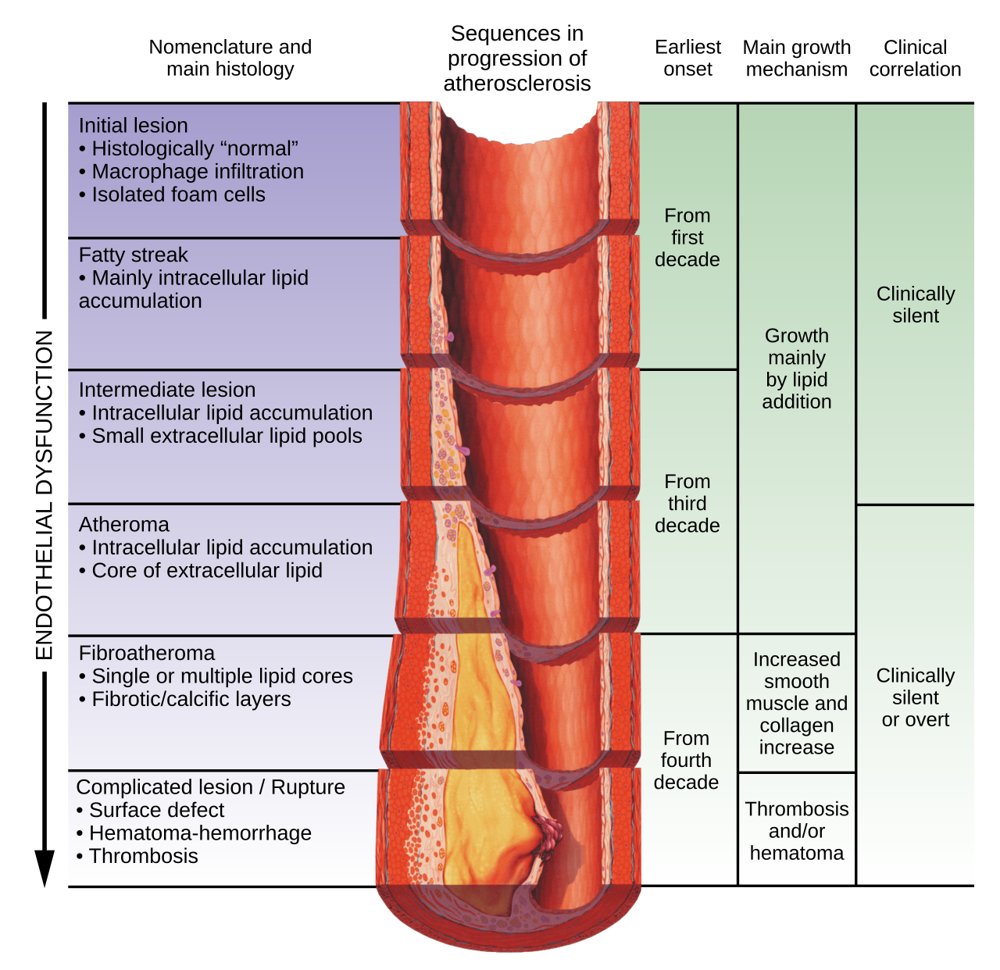
- Atherosclerosis: LDL particles get into the artery wall and stay there. Once modified, they are taken up by macrophages, which turn into foam cells (Figure 1).
- Causal: Lowering LDL-C reduces major vascular events. Trials have found no LDL-C level below which the benefit disappears.
How it is measured
The sample is serum (red or gold top) or plasma, depending on the laboratory, drawn as part of the standard lipid panel. Most labs calculate LDL-C from total cholesterol, HDL-C and triglycerides. The 2026 ACC/AHA guideline prefers the Martin/Hopkins or Sampson/NIH equation over Friedewald and over direct assays. Fasting is not required. Results usually come back the same day. Point-of-care lipid devices exist, but they are not used for emergency decisions.
Why it matters
LDL-C is the main treatment target for preventing myocardial infarction and ischemic stroke. In emergency and critical care it never changes immediate management. The ACS admission panel still guides statin and add-on therapy. A value ≥190 mg/dL in a young patient with an MI can identify a family with FH.
Clinical Pearls
References
- Writing Committee Members; Blumenthal, R. S., Morris, P. B., Gaudino, M., Johnson, H. M., et al. (2026). 2026 ACC/AHA/AACVPR/ABC/ACPM/ADA/AGS/APhA/ASPC/NLA/PCNA guideline on the management of dyslipidemia: A report of the American College of Cardiology/American Heart Association Joint Committee on Clinical Practice Guidelines. Circulation, 153(17), e1154–e1276. https://doi.org/10.1161/CIR.0000000000001423
- Grundy, S. M., Stone, N. J., Bailey, A. L., Beam, C., Birtcher, K. K., Blumenthal, R. S., et al. (2019). 2018 AHA/ACC/AACVPR/AAPA/ABC/ACPM/ADA/AGS/APhA/ASPC/NLA/PCNA guideline on the management of blood cholesterol: A report of the American College of Cardiology/American Heart Association Task Force on Clinical Practice Guidelines. Circulation, 139(25), e1082–e1143. https://doi.org/10.1161/CIR.0000000000000625
- Rao, S. V., O'Donoghue, M. L., Ruel, M., Rab, T., Tamis-Holland, J. E., Alexander, J. H., et al. (2025). 2025 ACC/AHA/ACEP/NAEMSP/SCAI guideline for the management of patients with acute coronary syndromes: A report of the American College of Cardiology/American Heart Association Joint Committee on Clinical Practice Guidelines. Circulation, 151(13), e771–e862. https://doi.org/10.1161/CIR.0000000000001309
- Nordestgaard, B. G., Langsted, A., Mora, S., Kolovou, G., Baum, H., Bruckert, E., et al. (2016). Fasting is not routinely required for determination of a lipid profile: Clinical and laboratory implications including flagging at desirable concentration cut-points. A joint consensus statement from the European Atherosclerosis Society and European Federation of Clinical Chemistry and Laboratory Medicine. European Heart Journal, 37(25), 1944–1958. https://doi.org/10.1093/eurheartj/ehw152
- Sampson, M., Ling, C., Sun, Q., Harb, R., Ashmaig, M., Warnick, R., et al. (2020). A new equation for calculation of low-density lipoprotein cholesterol in patients with normolipidemia and/or hypertriglyceridemia. JAMA Cardiology, 5(5), 540–548. https://doi.org/10.1001/jamacardio.2020.0013
- Giugliano, R. P., Pedersen, T. R., Park, J. G., De Ferrari, G. M., Gaciong, Z. A., Ceska, R., et al. (2017). Clinical efficacy and safety of achieving very low LDL-cholesterol concentrations with the PCSK9 inhibitor evolocumab: A prespecified secondary analysis of the FOURIER trial. Lancet, 390(10106), 1962–1971. https://doi.org/10.1016/S0140-6736(17)32290-0
- Expert Panel on Integrated Guidelines for Cardiovascular Health and Risk Reduction in Children and Adolescents; National Heart, Lung, and Blood Institute. (2011). Integrated guidelines for cardiovascular health and risk reduction in children and adolescents: Full report (landmark guideline). National Institutes of Health. https://www.nhlbi.nih.gov/health-topics/integrated-guidelines-for-cardiovascular-health-and-risk-reduction-in-children-and-adolescents/integrated-guidelines-for-cardiovascular-health-and-risk-reduction-in-children-and-adolescents-full-report
- U.S. Food and Drug Administration. (2021). Statins: Drug Safety Communication: FDA requests removal of strongest warning against using cholesterol-lowering statins during pregnancy. https://www.fda.gov/safety/medical-product-safety-information/statins-drug-safety-communication-fda-requests-removal-strongest-warning-against-using-cholesterol
Medical Disclaimer
- For Educational Purposes Only: This content is intended for educational reference and should not be used for clinical decision-making.
- Not a Substitute for Professional Judgment: Always consult your local protocols, institutional guidelines, and supervising physicians.
- Verify Before Acting: Users are responsible for verifying information through authoritative sources before any clinical application.