

Bedside Snapshot
- Normal / Therapeutic
- Normal: <1% of total hemoglobin (typical; lab-specific)
- Toxic Thresholds
- Marked symptoms from: about 30%
Critical: 50% or higher (seizure, coma, acidosis)
Life-threatening: 70% or higher - Toxicity Looks Like
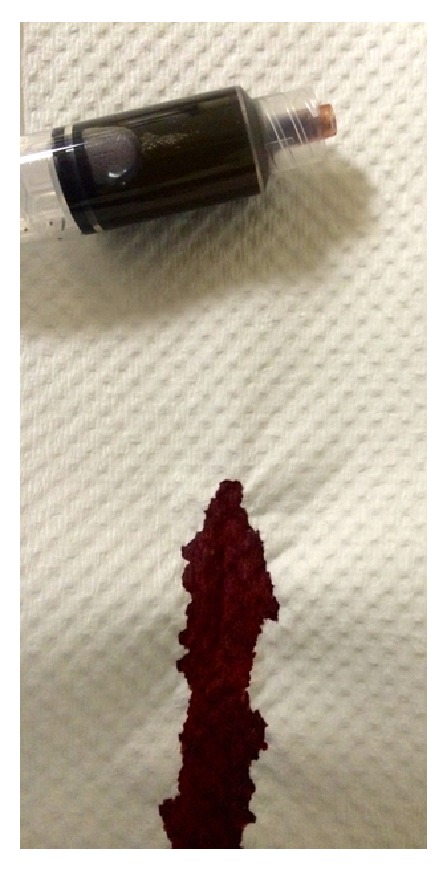
- Cyanosis that does not improve with oxygen; SpO₂ fixed near 85%; normal PaO₂ with low SpO₂; chocolate-brown blood; headache, dyspnea, tachycardia
- Antidote / Definitive Care
- Methylene blue 1 mg/kg IV; repeat once at 1 h if MetHb above 30% or symptoms persist. Avoid if G6PD deficient or severe reaction to methylene blue or thiazine dyes. Exchange transfusion if no response.
- Act Now If
- Symptomatic at 20% or higher, MetHb 30% or higher, or consider from 10% with anemia, heart or lung disease or CO: co-oximetry, check drug exposure and G6PD, methylene blue per protocol; call poison center
- Watch Out For
- Pulse oximetry misreads MetHb and methylene blue lowers SpO₂ readings; serotonergic drugs and opioids risk serotonin syndrome (boxed warning); if unavoidable, lowest dose and observe up to 4 h
Reference & Critical Ranges
Reference ranges
| Population | Conventional | SI | Notes |
|---|---|---|---|
| Adult | <1% of total hemoglobin | <0.01 (fraction of total Hb) | Human blood normally contains less than 1% methemoglobin. |
| Children | Same as adult | Same as adult | Congenital forms can raise levels from birth (see Causes). |
Severity & critical values
| Level | Concentration | Meaning |
|---|---|---|
| Normal | <1% | Pulse oximetry and co-oximetry SpO₂ and SaO₂ agree. |
| Low pulse-oximeter effect | Below 10% | Usually asymptomatic; pulse oximeter may read low; skin may look pale, gray or blue (2021 international recommendations, Table 1). |
| Cyanosis | 10–29% | Blue lips and skin; dark brown blood. Asymptomatic or mild confusion; inherited forms often sit in this range. |
| Symptomatic | 30–49% | Dyspnea, dizziness, syncope, headache, tachycardia, chest pain, fatigue. |
| Critical | 50–69% | Tachypnea, metabolic acidosis, dysrhythmia, seizure, delirium, coma. |
| Life-threatening | 70% or higher | Severe hypoxemia; risk of death. |
Conversion: % of total Hb ÷ 100 = fraction of total Hb (30% = 0.30).
Causes of Abnormal Results
Acquired: drugs and chemicals
Acquired MetHb is the common form. A 2025 New York City Poison Center series looked at 185 patients treated with methylene blue. The top culprits were volatile nitrites (41%), local anesthetics (15%) and dapsone (11%). Those are treated cases. They do not tell you how common each cause is in the population.
| Mechanism | Common causes | Bedside clue |
|---|---|---|
| Direct oxidant drugs | Dapsone; sulfamethoxazole (sulfonamides); phenazopyridine | Cyanosis after a new drug; MetHb may persist or rebound after treatment (dapsone) |
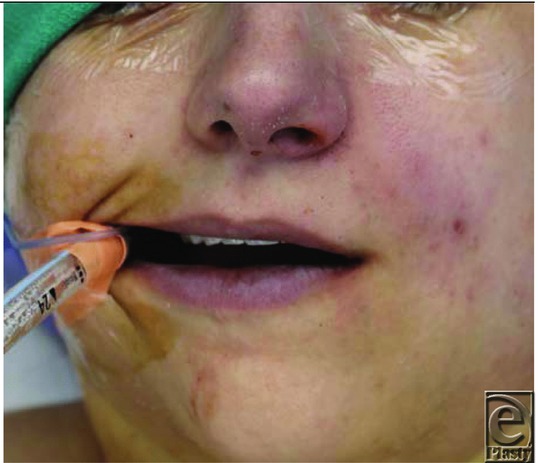
| Topical and spray anesthetics | Benzocaine (throat sprays, lozenges, teething and sting gels); prilocaine; lidocaine | Blue or gray skin after a spray, lozenge or gel; benzocaine can cause rebound |
| Volatile nitrites | Amyl nitrite, isobutyl nitrite and amyl nitrate (inhaled recreational products) | Cyanosis with headache or dizziness after inhalant use; very high levels (above 90%) and deaths are reported |
| Nitrites and nitrates | Sodium nitrite (cyanide antidote); nitroglycerin; other nitrates | Hypotension and cyanosis during cyanide treatment (boxed warning for sodium nitrite) |
| Aryl amines | Aniline and related industrial or dye exposure | Dark brown blood after exposure; levels may not resolve or may rebound with methylene blue |
| Inhaled nitric oxide | Nitric oxide therapy | Rising MetHb in a patient on inhaled nitric oxide with unexplained low SpO₂ |
Congenital and hereditary
- Cytochrome b5 reductase deficiency (CYB5R3): The child is usually well and has been blue since birth. Oxygen does not change it. Levels are typically about 10–30%. Treatment is mainly cosmetic.
- Hemoglobin M (HbM) variants: These are autosomal dominant globin variants. They turn the child blue from birth, or once the switch from fetal to adult hemoglobin happens. Methylene blue is typically not effective on them.
- G6PD deficiency: A risk factor, not a cause of MetHb. Methylene blue can cause severe hemolysis in G6PD deficiency. It may also fail to work, because the red cell lacks the NADPH it needs.
Interpretation & Bedside Approach
Step-by-step approach
- Is it real? Put the pulse oximeter next to co-oximetry SaO₂ from a blood gas. A reading stuck near 85% that does not climb with supplemental oxygen points to MetHb. Confirm the level with co-oximetry before you treat a number.
- How sick is the patient? Symptoms follow the level. Dyspnea, dizziness and syncope show up from about 30%. Seizures, coma and acidosis show up from about 50%.
- Acute or congenital? Acute means a new drug, topical anesthetic, nitrite or inhalant, or a recent chemical exposure. Congenital means blue since birth in a well child, and oxygen does not change it.
- Compare the gas values. A normal PaO₂ with a lower SpO₂ than you expected is a clue. So is a big gap between SpO₂ and co-oximetry SaO₂. Either one suggests a dyshemoglobin. A calculated SaO₂ from PaO₂ cannot detect MetHb. Request co-oximetry whenever MetHb is possible.
- Classify and check for ongoing exposure. Name the level and the likely cause. Check whether a drug is still being given. Ask about G6PD deficiency and family history.
- Escalate or dispose. For acquired MetHb, treatment is generally indicated at 20% or higher in symptomatic patients. In asymptomatic patients, the line is 30% or higher. Consider treatment from 10% when the patient is symptomatic, or when anemia, heart or lung disease or CO co-exposure limits oxygen delivery (2021 international recommendations, ref 1). Call the poison center. Consider transfer if treatment brings no response.
Pattern and what it suggests
| Pattern | Suggests |
|---|---|
| SpO₂ fixed near 85%, normal PaO₂, no rise with oxygen | MetHb; confirm with co-oximetry |
| Normal SpO₂ with headache, confusion and high COHb | Carbon monoxide (see the carbon monoxide page), not MetHb |
| Cyanosis since birth, well child, no exposure | Congenital type (CYB5R3 or HbM); enzyme and DNA testing |
| Cyanosis after a spray, nitrite, dapsone or aniline | Acquired MetHb; expect possible rebound |
Pulse oximetry is the first clue. It is not the measurement. Co-oximetry is the measurement.
Management Priorities
Emergency: Symptomatic methemoglobinemia or MetHb 30% or higher
- Remove the cause: Stop the drug, spray, lozenge or inhalant. Keep further oxidant exposure away from the patient.
- Support oxygenation: Give oxygen for hypoxemia or lung disease. It will not reverse MetHb, so SpO₂ alone is no guide to treatment. Judge by co-oximetry.
- Confirm the level: run co-oximetry MetHb on a venous or arterial sample. Once symptomatic, the usual treatment line is 20% or higher. From 10%, consider treating if they have symptoms, or if anemia, heart or lung disease, or CO co-exposure limits oxygen delivery. Patients with minimal or no symptoms may need only monitoring, plus oxygen if needed (2021 international recommendations, ref 1). Before the first dose, ask about G6PD deficiency and family history. Ask about any prior reaction to methylene blue or thiazine dyes too.
- Give methylene blue: Secure patent IV access first. Then give 1 mg/kg IV over 5–30 minutes (current FDA label). It is never a subcutaneous drug. Many protocols use 1–2 mg/kg. A hypersensitivity reaction means stop the infusion and treat per anaphylaxis protocol.
- Recheck at about 1 hour: if MetHb stays above 30% or symptoms persist, repeat 1 mg/kg once. No response after two doses? Switch to an alternative, usually exchange transfusion. For hyperbaric oxygen, the support is case reports only.
- Watch for rebound: levels can climb again after an early response. Expect it most with dapsone, aniline or benzocaine. Recheck until stable.
Contraindicated in severe hypersensitivity to methylene blue or other thiazine dyes. Watch for anaphylaxis.
Medications
| Drug | Adult dose | Pediatric dose (max) | Onset / key notes |
|---|---|---|---|
| Oxygen | Titrate to the lung disease or hypoxemia; no fixed max | Per pediatric oxygen protocol | Does not reverse MetHb. |
| Methylene blue (ProvayBlue 0.5%, 5 mg/mL) | 1 mg/kg IV over 5–30 min; repeat 1 mg/kg once at 1 h if MetHb above 30% or symptoms persist (max 2 doses) | 1 mg/kg IV over 5–30 min, same weight-based dose; repeat rule as adult (max 2 doses) | May be diluted in 50 mL 5% dextrose; avoid sodium chloride solutions (label 2.3). IV only, never subcutaneous. Response expected within about 1 h. Contraindicated in G6PD deficiency and in severe hypersensitivity to methylene blue or thiazine dyes. |
| Methylene blue, renal impairment | eGFR 15–59 mL/min/1.73 m²: single 1 mg/kg, then reassess at 1 h | Same single 1 mg/kg if eGFR 15–59 (label renal rule has no age split) | If MetHb stays above 30% or symptoms persist at 1 h, use an alternative. |
Dose limits and toxicity
- Cumulative dose: The label links 7 mg/kg or more to adverse effects. Protocols differ on repeat limits (see the editor flag). Call medical direction before you exceed the label.
- Single-dose effects: A single dose of 3 mg/kg or more has been linked to hypotension, wheezing and reduced oxygenation (label overdosage).
Definitive care and disposition
- Exchange transfusion: Use it for MetHb that worsens after methylene blue, when methylene blue does not work, or in G6PD deficiency.
- Hyperbaric oxygen: Case reports are the only support. Use it only in consultation with the poison center or a toxicologist.
- Ascorbic acid: An adjunct in some protocols. On its own it is slow (may take 24 h or longer). It is not a reliable emergency substitute for methylene blue.
- ICU: coma, seizure, dysrhythmia, acidosis or persistent hypoxemia.
- Pregnancy: A multidisciplinary decision. It weighs fetal hypoxia against the risk of methylene blue.
- Congenital forms: hematology referral and enzyme or DNA testing.
Doses are typical references. Follow local protocols, medical direction and institutional policy.
Field & Transport Considerations
Point-of-care testing
- Pulse oximetry: SpO₂ cannot be trusted with MetHb. A reading near 85% that does not rise with oxygen is the clue. It is not a number to treat.
- Noninvasive co-oximeters: Some monitors estimate MetHb. Use them to screen. Confirm with blood gas co-oximetry when treatment hangs on the number.
Before and during interfacility transport
- Obtain: the MetHb level and time, the suspected drug or exposure with dose and time, medications (serotonergic drugs, opioids, dextromethorphan, linezolid), G6PD status or family history, any prior reaction to methylene blue or thiazine dyes, and vital signs.
- Oxygen: Give it for hypoxemia. Just do not judge treatment by SpO₂ alone.
- After methylene blue: Recheck co-oximetry about 1 hour later. Use arterial or co-oximetry values. Pulse oximetry can read low after methylene blue, so skip it for this check.
- Administration: IV only. Never subcutaneous. Secure patent venous access first.
- Monitor: hypotension, wheezing, dyspnea, anaphylaxis and signs of serotonin syndrome after dosing.
- Hemolysis: It can happen even without known G6PD deficiency. It may be delayed 1 or more days. Follow hemoglobin. If hemolysis is severe, stop methylene blue and transfuse (label 5.4).
- Redirect: Consider a center that can offer exchange transfusion or hyperbaric oxygen. That matters when MetHb is refractory or G6PD deficiency is known.
Special Populations
| Population | What changes | Clinical implication |
|---|---|---|
| Neonates & infants | Congenital forms can present at birth. Infants have lower CYB5R activity (about 50–60% of adult) and more readily oxidized fetal hemoglobin, so acquired MetHb is more likely in the first few months of life: nitrate-contaminated well water, gastroenteritis or sepsis with acidosis, and topical anesthetics such as benzocaine (teething gels), prilocaine and lidocaine (circumcision). Pulse oximetry screening can reveal subclinical hypoxemia. Label pediatric data include 3 neonates and 4 infants. | Check MetHb in any newborn or infant with cyanosis that does not improve with oxygen. Ask about water source and formula preparation, and avoid benzocaine teething gels. |
| Children & adolescents | Same weight-based dose; label pediatric use is supported by two retrospective case series. | Use the pediatric column; follow the same repeat rule. |
| Pregnancy | Fetal hypoxia from MetHb. Methylene blue: intra-amniotic exposure in the second trimester was associated with neonatal intestinal atresia and fetal death. | Use only when benefit justifies risk. The 2021 international recommendations advise methylene blue only when risks outweigh benefits, with exchange transfusion as an alternative if time allows (ref 1). Breastfeeding: discontinue for up to 8 days after treatment (label 8.2). |
| Older adults | Too few patients aged 65 and over in trials to show a different response. The drug is substantially excreted by the kidney. | Check renal function; use the lowest number of doses needed to achieve a response (label 8.5). |
| Renal impairment | eGFR 15–59: single 1 mg/kg dose, then an alternative if MetHb or symptoms persist at 1 hour. The label does not address eGFR below 15 or dialysis. | Dose once and reassess. For eGFR below 15 or dialysis, use medical direction or the poison center. |
| Liver disease | Methylene blue is extensively metabolized in the liver; clearance can be delayed. | Monitor longer for toxicity and drug interactions after treatment (label 8.7). |
| G6PD deficiency | Methylene blue is contraindicated: severe hemolysis and anemia. G6PD status is often unknown in a symptomatic patient. | Ask about family history and test when possible. If deficiency is known or strongly suspected, use exchange transfusion or an adjunct such as ascorbic acid per protocol. Discontinue methylene blue if severe hemolysis occurs. |
| Congenital (CYB5R3, HbM) | Chronic cyanosis; HbM typically poorly responsive to methylene blue. | Treatment of cyanosis is mainly cosmetic in CYB5R3 deficiency; refer for hematology review. |
Interfering Factors & Pitfalls
Medications & supplements
| Factor | Effect | Why | Avoid / fix |
|---|---|---|---|
| Methylene blue | False − on pulse oximetry | The blue dye in blood lowers the SpO₂ reading | Use arterial or co-oximetry values after a dose |
| Methylene blue | Blue urine; dipstick leukocyte esterase unreliable | The dye passes into urine | Read a dipstick result with caution; confirm with lab testing |
| Serotonergic drugs with methylene blue | Serotonin syndrome | Methylene blue inhibits monoamine oxidase | Check SSRIs, SNRIs, MAOIs, opioids, bupropion, buspirone, clomipramine, mirtazapine, linezolid and dextromethorphan first; if unavoidable, use the lowest dose and observe up to 4 h |
| Dapsone, aryl amines | MetHb persists or rebounds | Ongoing oxidant production | Recheck MetHb; plan alternatives early |
Physiologic and biologic
- Lung disease with MetHb: Both can pull SpO₂ down. Check PaO₂ and co-oximetry separately.
- Congenital cyanosis: Methylene blue may fail in CYB5R3 deficiency and HbM. Check family history, then enzyme or DNA testing.
Assay & device
| Factor | Effect | Why | Avoid / fix |
|---|---|---|---|
| Pulse oximetry | False − near 85% that does not track the true level | MetHb alters light absorption, so the algorithm settles near 85% | Co-oximetry for the MetHb value |
| Calculated SaO₂ from PaO₂ | False + (looks normal) | Assumes a normal curve and cannot see MetHb | Request co-oximetry when MetHb is possible |
Common misinterpretations
- Do not assume a normal PaO₂ means oxygen delivery is normal. MetHb cuts oxygen content while the PaO₂ looks fine.
Physiology & Test Basics
What it measures
Methemoglobin (MetHb) is hemoglobin with its heme iron stuck in the ferric (Fe³⁺) state. That iron cannot carry oxygen. This page measures MetHb as a percentage of total hemoglobin. Carboxyhemoglobin (COHb) and PaO₂ each have their own pages.
Physiology & regulation
- Red cells keep oxidizing a small amount of hemoglobin iron. NADH-cytochrome b5 reductase (CYB5R3) reverses that. That keeps MetHb below 1%.
- Methylene blue takes an electron from NADPH and becomes leukomethylene blue. That reduces MetHb back to hemoglobin.
- G6PD supplies NADPH through the pentose phosphate pathway. In G6PD deficiency, the methylene blue route is weaker.
- MetHb changes how light is absorbed. Pulse oximeters tend to settle near 85% whatever the true level is.
How it is measured
Co-oximetry runs on whole blood in a blood gas analyzer (multiwavelength spectrophotometry). The same run also reports oxyhemoglobin, deoxyhemoglobin and carboxyhemoglobin. Venous or arterial blood works for MetHb. Use the tube or syringe your lab specifies for blood gas and co-oximetry.
Why it matters
MetHb cuts oxygen content. Pulse oximetry can still read normal or near 85%. So a patient can be hypoxic behind a reassuring SpO₂. Symptomatic patients need treatment on the same shift. The drug that treats MetHb, methylene blue, can cause hemolysis in G6PD deficiency. It can also cause serotonin syndrome with serotonergic drugs.
Clinical Pearls
References
- Iolascon, A., Bianchi, P., Andolfo, I., et al. (2021). Recommendations for diagnosis and treatment of methemoglobinemia. American Journal of Hematology, 96(12), 1666–1678. https://doi.org/10.1002/ajh.26340
- Iolascon, A., Andolfo, I., Russo, R., et al. (2021). Summary of joint European Hematology Association (EHA) and EuroBloodNet recommendations on diagnosis and treatment of methemoglobinemia. HemaSphere, 5(12), e660. https://doi.org/10.1097/HS9.0000000000000660
- American Regent, Inc. (2025). PROVAYBLUE (methylene blue) injection, prescribing information, including boxed warning on serotonin syndrome. U.S. Food and Drug Administration label via DailyMed. https://dailymed.nlm.nih.gov/dailymed/drugInfo.cfm?setid=4f6848e5-35ed-4046-b13c-3032b5ba3232
- Rothenberg, R., Biary, R., & Hoffman, R. S. (2025). Effectiveness and tolerability of methylthioninium chloride (methylene blue) for the treatment of methemoglobinemia: twenty-four years of experience at a single poison center. Clinical Toxicology, 63(4), 284–291. https://doi.org/10.1080/15563650.2025.2470428
- Cefalu, J. N., Joshi, T. V., Spalitta, M., et al. (2020). Methemoglobinemia in the Operating Room and Intensive Care Unit: Early Recognition, Pathophysiology, and Management. Advances in Therapy, 37(5), 1714–1723. https://doi.org/10.1007/s12325-020-01282-5
- Hope Pharmaceuticals (2025). Sodium nitrite injection, prescribing information, boxed warning on hypotension and methemoglobin formation. U.S. Food and Drug Administration label via DailyMed. https://dailymed.nlm.nih.gov/dailymed/drugInfo.cfm?setid=52f01c6e-172a-47a9-98a6-9eab7651a032
Medical Disclaimer
- For Educational Purposes Only: This content is intended for educational reference and should not be used for clinical decision-making.
- Not a Substitute for Professional Judgment: Always consult your local protocols, institutional guidelines, and supervising physicians.
- Verify Before Acting: Users are responsible for verifying information through authoritative sources before any clinical application.