

Bedside Snapshot
- Normal (Adult)
- Men ≤72 ng/mL, women ≤58 ng/mL (≤72 and ≤58 µg/L)
Urine <1 mg/L
Assay-specific; use your lab’s range - Critical Values
- No universal critical value: interpret by trend and clinical context. Urine >15 mg/L, or serum above about 10,000 ng/mL (consensus threshold for considering hemoadsorption): high AKI risk
- High Suggests
- Rhabdomyolysis: crush, long lie, seizures, heat illness, stimulants
- MI or other heart injury (troponin decides)
- Exercise, viral myositis
- Kidney failure (slow clearance)
- Low Suggests
- Rarely clinically significant: a normal value does not exclude rhabdomyolysis or MI if drawn late, because myoglobin clears within hours
- Act Now If
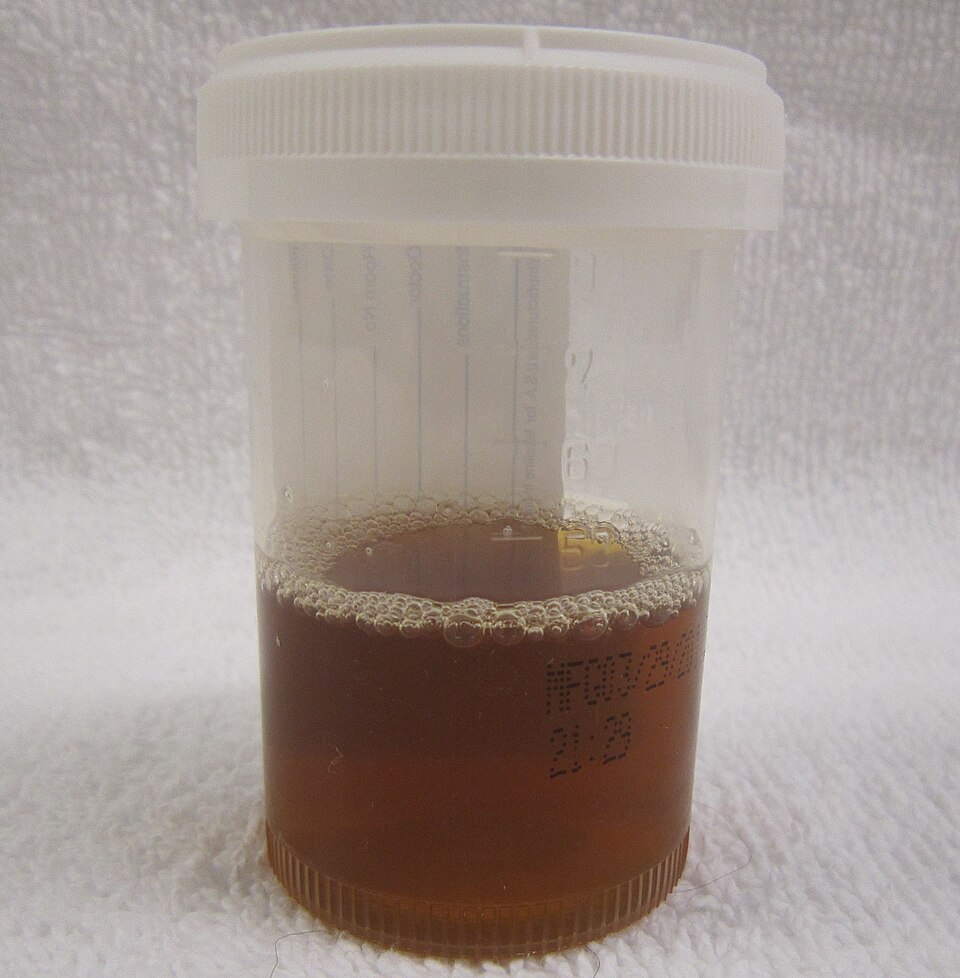
- Crush or long lie, dark urine, or high myoglobin or CK: monitor, 12-lead, check K⁺, start isotonic fluid; IV calcium for hyperkalemic ECG changes; notify receiving/medical control
- Watch Out For
- A normal myoglobin rules out nothing: it clears in hours. Use troponin for MI and CK, K⁺ and creatinine for rhabdomyolysis
Reference & Critical Ranges
Reference ranges
| Population | Conventional | SI | Notes |
|---|---|---|---|
| Adult men (serum or plasma) | ≤72 ng/mL | ≤72 µg/L | Electrochemiluminescent immunoassay (ECLIA) at a US reference laboratory |
| Adult women (serum or plasma) | ≤58 ng/mL | ≤58 µg/L | Lower limit than men; use the sex-specific value |
| Urine (random) | <1 mg/L | <1 mg/L | Separate test; specimen must be refrigerated and alkalinized |
| Children and pregnancy | Use the adult range | — | Reference laboratories publish no age- or pregnancy-specific interval; confirm with your lab |
Severity & critical values
| Level | Conventional | SI | What it means / typical findings |
|---|---|---|---|
| Normal | Serum men ≤72, women ≤58 ng/mL; urine <1 mg/L | Same numbers in µg/L; urine mg/L | No significant ongoing muscle injury at the time of the draw (it clears within hours) |
| Mild elevation | Urine 1–15 mg/L (approximate band) | 1–15 mg/L | Vigorous exercise, myocardial infarction, mild muscle injury and other conditions |
| Rising AKI risk | Serum about 370–8,000 ng/mL (cut-offs vary by study) | 370–8,000 µg/L | Published thresholds for acute kidney injury (AKI) differ by assay and population; higher peaks carry more risk |
| Critical | Urine >15 mg/L, or serum >10,000 ng/mL | >15 mg/L; >10,000 µg/L | Heavy myoglobin load: high risk of pigment AKI. One consensus suggests considering hemoadsorption above 10,000 ng/mL |
Conversion: 1 ng/mL = 1 µg/L (same number); urine 1 mg/L = 1,000 ng/mL
Causes of Abnormal Results
Rhabdomyolysis is usually defined by creatine kinase (CK). The cutoff is CK above 5 times the upper reference limit (URL), or above 1,000 U/L, with muscle symptoms. Some studies call CK above 5,000 U/L severe. Myoglobin rises from the same injuries. It just clears much faster.
High (myoglobin above the URL)
| Mechanism | Common causes | Bedside clue |
|---|---|---|
| Compression and trauma | Crush injury, compartment syndrome, long lie after a fall, vascular injury with reperfusion, mangled extremity, electrical burns or lightning strikes, recent intramuscular injection (minor, transient rise) | Entrapment time; tense, painful limb; pain on passive stretch; weak distal pulses; entry and exit wounds or a history of electrical contact |
| Exertional and hyperkinetic | Status epilepticus, extreme or unaccustomed exercise, severe dystonia | Recent seizure; unaccustomed workout; muscle pain and dark urine |
| Temperature extremes | Exertional heat stroke, malignant hyperthermia (MH), neuroleptic malignant syndrome (NMS), serotonin syndrome | High core temperature; rigidity; MH: rising end-tidal CO₂ (EtCO₂) after an anesthetic trigger |
| Drugs and toxins | Alcohol, cocaine, heroin, phencyclidine, statins (especially with kidney or liver disease), envenomation | Toxidrome, intoxication with immobility, new statin or interacting drug |
| Infection | Influenza (influenza B in children), other viral myositis, sepsis, Streptococcus pyogenes, Staphylococcus aureus | Child with calf pain who refuses to walk after a viral illness; fever and myalgia |
| Inherited and metabolic | Glycogen and fatty acid metabolism disorders, mitochondrial disease, muscular dystrophy, inflammatory myopathies (polymyositis, dermatomyositis), severe electrolyte disturbance, diabetic ketoacidosis | Recurrent episodes with exercise, fasting or illness; family history; subacute proximal weakness suggests an inflammatory myopathy |
| Heart muscle injury | Acute myocardial infarction (MI); after percutaneous coronary intervention (PCI); myocarditis; cardiac surgery; defibrillation or cardioversion | Ischemic symptoms and ECG; troponin, not myoglobin, makes the diagnosis |
| Reduced clearance | Acute or chronic kidney failure | Mild, steady elevation with normal CK |
Low (below the reference interval)
Rarely clinically significant. A low or normal myoglobin tells you nothing on its own. Myoglobin clears within hours, so a late draw can miss real muscle injury.
Interpretation & Bedside Approach
Step-by-step approach
- Is it real? Grossly hemolyzed blood gets rejected. Urine myoglobin reads falsely low if the sample sat warm or acidic. Assays are not standardized, so compare results from the same lab.
- How sick is the patient? Get a 12-lead ECG and K⁺ first. Hyperkalemia is the early killer. Check urine output, temperature, mental status and every compartment of the injured limbs.
- Where is it on the timeline? Myoglobin peaks within hours. Its serum half-life is 1–3 h. CK peaks at 24–72 h. Normal myoglobin a day out with a high CK? That still means rhabdomyolysis.
- Pair it: CK, K⁺, creatinine, calcium, phosphate, bicarbonate, lactate, urinalysis with microscopy, and troponin if the heart is in question.
- Classify: CK above 5 times the URL (or above 1,000 U/L) with muscle symptoms is rhabdomyolysis. For chest pain, the 2021 AHA/ACC chest pain guideline rates CK-MB and myoglobin as not useful (Class 3: No Benefit). Use high-sensitivity troponin.
- Estimate risk and escalate: A McMahon score of 6 or more at admission flags high risk of kidney replacement therapy (KRT) or death. Hyperkalemia, rising creatinine, low urine output or compartment syndrome all need ICU-level care.
Pattern recognition
| Pattern | Suggests |
|---|---|
| High myoglobin, high CK, dark urine, dipstick blood positive with few or no red cells | Rhabdomyolysis with myoglobinuria |
| High myoglobin, CK normal or only slightly raised, within hours of injury | Early muscle injury; CK has not peaked yet, so repeat CK |
| Normal myoglobin, very high CK | Late presentation: myoglobin has already cleared; risk still follows CK, K⁺ and creatinine |
| High myoglobin, rising and falling troponin, ischemic ECG | Acute MI (diagnosed on troponin) |
| Mild steady elevation, normal CK, kidney disease | Reduced renal clearance rather than new muscle injury |
McMahon score (rhabdomyolysis, at admission)
| Variable | Points |
|---|---|
| Age | >50 to ≤70 y: 1.5; >70 to ≤80 y: 2.5; >80 y: 3 |
| Female sex | 1 |
| Initial creatinine | 1.4–2.2 mg/dL: 1.5; >2.2 mg/dL: 3 |
| Initial calcium <7.5 mg/dL | 2 |
| Initial CK >40,000 U/L | 2 |
| Cause not seizure, syncope, exercise, statin or myositis | 3 |
| Initial phosphate | 4.0–5.4 mg/dL: 1.5; >5.4 mg/dL: 3 |
| Initial bicarbonate <19 mEq/L | 2 |
Sensitivity for needing KRT at a score of 6 or more was 86%, and specificity was 68%. The score uses CK, not myoglobin. It helps set expectations. It does not choose treatment.
Management Priorities
Emergency: Rhabdomyolysis or crush injury (myoglobinuria, hyperkalemia or rising creatinine)
- Monitor and assess: Put on the cardiac monitor and get a 12-lead ECG, IV access, K⁺ and a blood gas. Track urine output (catheter in severe cases), the compartments and core temperature.
- Stabilize the myocardium: Give IV calcium for hyperkalemic ECG changes, and repeat it if the changes persist. In crush injury, watch the ECG before release, during it and right after.
- Volume early: Start isotonic crystalloid as soon as possible, before a trapped limb is released. Titrate it to urine output, and stop at signs of fluid overload.
- Shift K⁺: Give insulin with dextrose, plus nebulized albuterol (dose on the albuterol page). The full algorithm lives on the potassium page.
- Stop the cause: Cool exertional heat stroke, stop seizures, use dantrolene for MH, and remove the trigger drug. Get an urgent surgical consult for compartment syndrome.
Medications
| Drug | Adult dose | Pediatric dose (max) | Onset / key notes |
|---|---|---|---|
| Isotonic crystalloid: normal saline or lactated Ringer’s (rhabdomyolysis) | Start about 400 mL/hr IV (range 200–1,000 mL/hr); titrate fluid to a urine output goal set by protocol (commonly 1–3 mL/kg/hr). The urine output goal is not a fluid-rate cap | Shock: 10–20 mL/kg IV/IO bolus, reassess. Then 1.5–2 times maintenance, titrated to a protocol-dependent urine output goal. No fixed max | Titrate to urine output: no fixed max; stop for crackles, falling SpO₂ or edema. Anuria despite fluid: plan KRT |
| Normal saline (EMS crush injury) | Pre-release bolus and post-extrication rate per local protocol and medical direction | Per local protocol and medical direction | NASEMSO 2022 prefers saline because LR contains K⁺; titrate to urine output, no fixed max |
| Calcium chloride 10% (hyperkalemia with ECG changes) | 1 g (10 mL) IV/IO over 5–10 min; repeat if ECG changes persist | 20 mg/kg (0.2 mL/kg) IV/IO, max 1 g | Onset within minutes; central line or IO preferred. Not for asymptomatic hypocalcemia |
| Calcium gluconate 10% (hyperkalemia with ECG changes) | 3 g (30 mL) IV over 5–10 min; repeat if ECG changes persist | 60 mg/kg (0.6 mL/kg) IV, max 3 g | Does not lower K⁺: start a shift at once |
| Regular insulin with dextrose (hyperkalemia) | Insulin 10 units IV with dextrose 25 g. Protocols often use 5 units in AKI, low eGFR or low baseline glucose (protocol-dependent). Dextrose may be omitted only when glucose is above about 250 mg/dL | Per pediatric protocol: insulin 0.1 units/kg IV (max 10 units) with dextrose 0.5 g/kg (D10 5 mL/kg) | High-alert Check glucose often for several hours |
| Sodium bicarbonate 8.4% (not routine) | Crush (NASEMSO, per protocol): 1 mEq/kg IV over 5 min (max 50 mEq). Severe acidosis or hyperkalemia: per protocol | 1 mEq/kg IV/IO slowly (max 50 mEq/dose). Infants and small children: dilute 1:1 to 4.2% and give slowly. Do not use undiluted 8.4% in neonates | EAST 2022 and AAST 2022 advise against routine use; lowers ionized calcium and adds sodium |
What not to give
- Mannitol and loop diuretics: Not recommended to prevent AKI (EAST 2022, AAST 2022). Save a diuretic for fluid overload.
- Calcium for an asymptomatic low calcium: Avoid it. Calcium can deposit in injured muscle, and it often rebounds high during recovery. Treat only symptomatic hypocalcemia or hyperkalemia.
- Nephrotoxins: Stop NSAIDs and other avoidable nephrotoxic drugs.
Definitive care & disposition
- Kidney replacement therapy: Used for the usual AKI indications: refractory hyperkalemia, acidosis or fluid overload, and oliguric AKI. It is not there to clear myoglobin or to prevent AKI. See hemodialysis and CRRT.
- Hemoadsorption: A 2024 consensus statement suggests considering it when serum myoglobin exceeds about 10,000 ng/mL. The evidence is low-certainty. Some consensus authors are industry-linked. This is a specialist ICU decision.
- Compartment syndrome: Get an urgent surgical consult for fasciotomy. A delay of more than 6 h can cost irreversible muscle.
- Admit to ICU: hyperkalemia, AKI, McMahon score 6 or more, ongoing muscle injury or large fluid needs. Follow CK until it reliably falls.
- Follow-up: Recurrent or exertional episodes need a workup for an inherited metabolic myopathy.
For pediatric fluid and drug math, go to weight-based dosing.
Doses are typical references. Follow local protocols, medical direction and institutional policy.
Field & Transport Considerations
Point-of-care testing
Many hospitals send myoglobin out, and the answer can take 1–4 days. Point-of-care devices for it exist, yet none is validated for AKI risk. Out in the field, you work from the mechanism, the urine color, a urine dipstick (blood positive), the ECG and, if your service has one, a point-of-care K⁺ from a cartridge blood-gas analyzer.
Before and during interfacility transport
| Setting | Consideration |
|---|---|
| EMS: crush or long lie | Start fluid before release; monitor the ECG before, during and after release; document entrapment time and total fluid |
| Before transfer | Send the latest CK, myoglobin, K⁺, creatinine and calcium with draw times, the ECG, hourly urine output and fluid totals |
| En route | Continuous ECG; hourly urine output by catheter; recheck K⁺ (blood gas) on long transports or after new ECG changes |
| Redirect or escalate | Hyperkalemia, anuria or compartment syndrome: go to a center with dialysis and surgical capability |
Timing & Kinetics
| Parameter | Value | Clinical implication |
|---|---|---|
| Release | Within hours of muscle injury | The earliest of the muscle markers to rise and to peak |
| Peak after MI | Approximately 6 h after symptom onset in reperfused STEMI (one 2023 cohort: median about 5.75 h; about 3 h after PCI; approximate) | Too nonspecific to use for MI diagnosis |
| Serum half-life | 1–3 h (general figure) | Falls fast once release stops; a late draw can be normal |
| Apparent decline after STEMI | Approximately 7.6 h from peak in the same STEMI cohort (approximate) | Slower than the general half-life because release continues |
| Clearance | Freely filtered by the kidney | Kidney failure keeps levels high; filtered myoglobin injures tubules |
| CK for comparison | Rises within 12 h, peaks 24–72 h, normal in about 5 days | CK is the marker to trend; repeat until it reliably falls |
| When to repeat labs | K⁺, creatinine and electrolytes every 8–12 h, more often if severe | Hyperkalemia and AKI can appear after a normal first set |
Special Populations
| Population | What changes | Clinical implication |
|---|---|---|
| Neonates & infants | No published age-specific interval; few data | Use the lab range and CK; seek pediatric specialist input early |
| Children & adolescents | Viral myositis (often influenza B, ages 5–9) is the leading cause under 12; trauma and exertion in adolescents | Viral myositis is usually benign with low AKI risk; recurrent episodes suggest a metabolic myopathy |
| Pregnancy | No pregnancy-specific interval | Interpret against the adult female range; manage rhabdomyolysis the same way with obstetric input |
| Older adults | Long lie after a fall; age above 55 increases trauma rhabdomyolysis risk | Age adds McMahon points; lower threshold for monitoring and careful fluid titration |
| CKD / dialysis | Reduced renal clearance raises baseline myoglobin | Compare with baseline and CK; anuric patients cannot clear a fluid load |
| Other: athletes, sex | Vigorous exercise raises myoglobin; women have a lower upper limit | Interpret after recent exertion with CK and symptoms; use the sex-specific limit |
For pediatric fluid targets and dosing, see Management Priorities and the weight-based dosing page.
Interfering Factors & Pitfalls
Collection & handling
| Factor | Effect | Why | Avoid / fix |
|---|---|---|---|
| Gross hemolysis | Rejected | Reference labs reject grossly hemolyzed specimens | Clean draw; redraw if hemolyzed |
| Delayed separation | Unreliable | Reference labs require serum or plasma off the cells within 2 h | Spin and separate promptly |
| Urine left warm or acidic | False − | Urine myoglobin is unstable; labs require refrigeration and alkalinization | Refrigerate; use the lab’s alkaline transport tube; deliver promptly |
Physiologic / biologic
| Factor | Effect | Why | Avoid / fix |
|---|---|---|---|
| Kidney failure | ↑ | Myoglobin is cleared by glomerular filtration | Compare with baseline and CK |
| Recent vigorous exercise | ↑ | Normal muscle stress releases myoglobin | Correlate with CK and symptoms; repeat |
| Late draw | False − | Half-life 1–3 h | Use CK, K⁺ and creatinine to judge severity |
Assay & device-specific
| Factor | Effect | Why | Avoid / fix |
|---|---|---|---|
| Different immunoassays | Values not interchangeable | Myoglobin assays are not standardized; published cut-offs are assay-specific | Trend on one lab and one assay |
| Urine dipstick “blood” | False + for hematuria | Myoglobin and hemoglobin are heme proteins that react on the pad | Microscopy: few or no red cells points to myoglobin or hemoglobin |
Common misinterpretations
- “Normal myoglobin, so no rhabdomyolysis”: Wrong after the first day. Follow CK.
- “High myoglobin means a heart attack”: Skeletal muscle is the usual source. Troponin decides.
- “Dark urine with a positive dipstick is hematuria”: Check microscopy for red cells.
- “One number predicts AKI”: Cut-offs vary 20-fold between studies. Combine the result with CK, creatinine, K⁺ and urine output.
Physiology & Test Basics
What it measures
Myoglobin is a small, oxygen-binding heme protein. It sits in the cytoplasm of skeletal and cardiac muscle. Serum myoglobin tells you about muscle injury from any source. It cannot separate heart from skeletal muscle. Urine myoglobin is a different test, one that shows what the kidney is filtering.
Physiology & regulation
- Size: About 17 kDa, smaller than troponin (29–37 kDa). That is why it leaks out early and clears fast.
- Release: Membrane injury or ATP depletion lets calcium flood the cell. Myoglobin, K⁺, phosphate and CK spill out with it.
- Clearance: The glomerulus filters it freely. It leaves in the urine, turning it dark.
- Kidney injury: Myoglobin casts block the tubules. Heme drives oxidant injury. Renal vasoconstriction follows. Hypovolemia and acidic urine make it worse.
How it is measured
- Blood: serum (red top or serum separator tube); lithium heparin (green) or EDTA (lavender or pink) plasma also accepted. Separate within 2 h.
- Method: immunoassay, often electrochemiluminescent; many hospitals send it to a reference lab.
- Urine: random or 24-h sample, refrigerated during collection and alkalinized for transport.
- Timing: no fasting; record the draw time relative to the injury.
Why it matters
Myoglobin no longer has a role in diagnosing MI. Its value is in rhabdomyolysis. An early, high myoglobin signals heavy muscle injury and higher risk of pigment AKI. Meanwhile, the hyperkalemia from that same injury can kill first.
Clinical Pearls
References
- Gulati, M., Levy, P. D., Mukherjee, D., et al. (2021). 2021 AHA/ACC/ASE/CHEST/SAEM/SCCT/SCMR guideline for the evaluation and diagnosis of chest pain: A report of the American College of Cardiology/American Heart Association Joint Committee on Clinical Practice Guidelines. Circulation, 144(22), e368–e454. https://doi.org/10.1161/CIR.0000000000001029
- Kodadek, L., Carmichael, S. P., Seshadri, A., et al. (2022). Rhabdomyolysis: An American Association for the Surgery of Trauma Critical Care Committee clinical consensus document. Trauma Surgery & Acute Care Open, 7(1), e000836. https://doi.org/10.1136/tsaco-2021-000836
- Sawhney, J. S., Kasotakis, G., Goldenberg, A., et al. (2022). Management of rhabdomyolysis: A practice management guideline from the Eastern Association for the Surgery of Trauma. American Journal of Surgery, 224(1 Pt A), 196–204. https://doi.org/10.1016/j.amjsurg.2021.11.022
- Lim, A. K. H. (2025). Predicting acute kidney injury in acute rhabdomyolysis. Journal of Clinical Medicine, 14(19), 6892. https://doi.org/10.3390/jcm14196892
- Kuok, M. C. I., & Chan, W. K. Y. (2025). Rhabdomyolysis in children: A state-of-the-art review. Children, 12(4), 492. https://doi.org/10.3390/children12040492
- Henrik Kristensen, J., Amalie Wistisen Koczulab, C., Anton Frandsen, E., et al. (2023). Kinetics of cardiac troponin and other biomarkers in patients with ST elevation myocardial infarction. IJC Heart & Vasculature, 48, 101250. https://doi.org/10.1016/j.ijcha.2023.101250
- Forni, L., Aucella, F., Bottari, G., et al. (2024). Hemoadsorption therapy for myoglobin removal in rhabdomyolysis: Consensus of the hemoadsorption in rhabdomyolysis task force. BMC Nephrology, 25, 247. https://doi.org/10.1186/s12882-024-03679-8
- National Association of State EMS Officials. (2022). National model EMS clinical guidelines (Version 3.0): Crush injury/crush syndrome. NASEMSO. https://nasemso.org/wp-content/uploads/National-Model-EMS-Clinical-Guidelines_2022.pdf
Medical Disclaimer
- For Educational Purposes Only: This content is intended for educational reference and should not be used for clinical decision-making.
- Not a Substitute for Professional Judgment: Always consult your local protocols, institutional guidelines, and supervising physicians.
- Verify Before Acting: Users are responsible for verifying information through authoritative sources before any clinical application.