

Bedside Snapshot
- Recognize
- Depressed consciousness with slow, shallow or absent breathing after an opioid exposure. Fentanyl, nitazenes or adulterants may be present. Treat from breathing, not the drug history.
- Red Flags
- No definite pulse; falling SpO₂ or rising EtCO₂; no response to voice or pain; bradycardia or hypotension after breathing returns; vomiting
- First Actions
- Call for ALS and AED; bag-mask ventilation with oxygen; naloxone IV/IO/IM or intranasal; check glucose; CPR if no pulse; reassess every 2–3 min
- Key Doses
- Naloxone 0.2–2 mg IV/IO/IM, every 2–3 min; no fixed adult max. Differs from FDA label: 0.4–2 mg IV
- Naloxone IN: 2–4 mg (4 mg per device), every 2–3 min
- Child: 0.1 mg/kg IV/IO, max 2 mg. Differs from FDA label: 0.01 mg/kg, then 0.1 mg/kg
- Don't Miss
- Naloxone does not reverse xylazine or medetomidine sedation, benzodiazepine or alcohol depression, or hypoglycemia. Recurrence can follow reversal
- Escalate & Transport
- ALS for repeated doses or an infusion; airway if ventilation fails or vomiting. Transport every patient who received naloxone to an ED with observation and toxicology access, per protocol
Definition & Pathophysiology
Overdose is toxicity from opioid agonists, and the damage runs through breathing. Heroin, prescription opioids, fentanyl and its analogues, and nitazenes all turn down the brainstem drive. The working definition: a depressed level of consciousness with slow, shallow or absent breathing after an opioid exposure. A clinical response to an opioid antagonist supports the diagnosis. Hypoxia drives the progression, and most patients die of hypoxic respiratory arrest first. Cardiac arrest follows.
- Mechanism: opioids switch on mu receptors, and that turns down the drive to breathe. Naloxone is a competitive opioid antagonist. It bumps opioids off those receptors. It does not act on other sedatives.
- Causes: illicit heroin and fentanyl, potent synthetic opioids (fentanyl analogues and nitazenes), prescription opioids, and opioid-containing combinations with benzodiazepines, alcohol or other sedatives.
- Adulterants: xylazine and medetomidine are alpha-2 agonists. Sedation, bradycardia and hypotension can outlast the return of breathing.
- Course: naloxone often wears off before the opioid does. Long-acting, extended-release or potent opioids can bring recurrent toxicity within minutes to hours of reversal. That is why observation is part of treatment.
Recognition & Red Flags
Typical Presentation
- Breathing: slow, shallow, irregular, gurgling or absent breathing, with a depressed level of consciousness.
- Skin and lips: blue or grey colour, and cool, clammy skin in severe cases.
- Pupils: pinpoint pupils are common but unreliable. A normal pupil does not rule out opioid toxicity.
Atypical Presentation
- Sedation with normal breathing: consider co-ingested sedatives or alpha-2 agonist adulterants. Suspect them most when naloxone changes nothing.
- Bradycardia and hypotension with persistent sedation: suspect xylazine or medetomidine (CDC HAN 00527 for medetomidine).
Do not wait for a drug history: an unresponsive patient with slow or absent breathing gets treated for opioid toxicity while you collect the history. Bystanders rarely know what the drug was.
Red Flags
- No definite pulse (arrest): start CPR. Compressions come first, and naloxone cannot stand in for them.
- Breathing that is inadequate for the age, with falling SpO₂ or rising EtCO₂ on the waveform.
- No response to voice or painful stimulus, or vomiting with depressed consciousness (aspiration risk).
- Bradycardia or hypotension that persists after breathing is restored.
- Agitation, tachycardia, severe hypertension or fluctuating alertness after naloxone (precipitated withdrawal or medetomidine withdrawal).
Assessment & Diagnostics
This is a clinical diagnosis, so start treatment before the results come back.
| Check | Why | Act If |
|---|---|---|
| Breathing, SpO₂ and waveform EtCO₂ | Hypoventilation causes the death; SpO₂ lags behind it | Inadequate breathing: ventilate now. Use capnography to track ventilation |
| Pulse and rhythm | Pulse present decides breaths versus CPR | No definite pulse: CPR, with naloxone only if it does not interrupt CPR. 12-lead ECG when stable (12-lead ECG) |
| Glucose | Hypoglycemia causes coma and slow breathing that can look identical | Low glucose: treat per protocol; do not attribute coma to opioids alone (glucose) |
| Heart rate and blood pressure | Bradycardia and hypotension suggest alpha-2 agonists; tachycardia and hypertension with fluctuating alertness suggest withdrawal | Persistent bradycardia or hypotension after breathing returns: non-opioid sedation, supportive care and poison center. Hypertension with fluctuating alertness: withdrawal |
| Response to naloxone | A clear response supports opioid toxicity; no response does not exclude it | No response after 10 mg of naloxone: per the label, question the diagnosis and look for non-opioid causes (Naloxone) |
| Toxicology testing | Confirms the substance but does not change the first 10 minutes | Send per ED protocol; do not delay naloxone or ventilation (toxicology panel) |
Differential & Mimics
- Hypoglycemia: coma and slow breathing can look the same. Check glucose before you pin unresponsiveness on opioids.
- Benzodiazepine, alcohol or other sedative toxicity: the breathing stays depressed, and naloxone does not reverse it. Look for co-ingestants and empty containers.
- Xylazine or medetomidine sedation: prolonged sedation with bradycardia and hypotension after breathing is restored.
- Structural brain injury, stroke or postictal state: focal findings or a slow recovery after a seizure are not opioid effects. Assess and treat for the underlying cause.
BLS Management
- Scene safety and PPE: follow agency policy. Do not handle loose powders or pills with bare hands.
- Check and call: unresponsive or not breathing normally: call for ALS, and bring the AED and naloxone.
- Ventilate: open the airway and give breaths with visible chest rise. Use a bag-mask with oxygen if available. With a pulse but inadequate breathing, give adults 1 breath every 6 seconds (10 per minute), and infants and children 1 breath every 2–3 seconds (20–30 per minute); recheck the pulse about every 2 minutes (2025 AHA Guidelines for CPR and ECC, Part 7, section 8.3, rec 2, COR 2a, LOE C-LD; Part 6, inadequate breathing with a pulse, rec 2, COR 2a, LOE C-EO; adult BLS algorithm, Box 5). If there is no definite pulse, start CPR with breaths. Naloxone does not replace breaths or compressions.
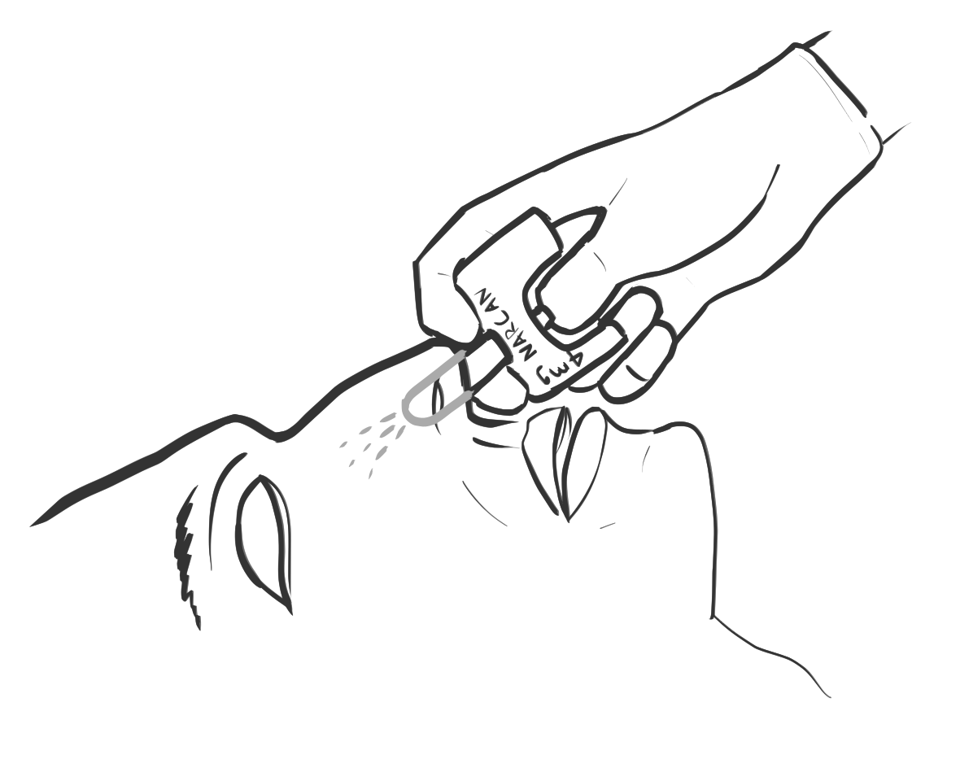
- Naloxone (lay rescuer, first responder or trained provider): give 4 mg intranasal from one device (Narcan label), or the unit's device per protocol. Place the nozzle in one nostril and press the plunger firmly. Do not test the device first.
- Repeat: if breathing is still not adequate after 2–3 minutes, give another dose from a new device. Adequate means at least one breath every 5 seconds (CDC HAN 00527).
- Recovery position: once breathing is adequate, place the patient in the recovery position and suction vomitus. Keep watching for sedation to come back.
- Stay with the patient until EMS arrives, even if they wake up. Report every dose with time, route and product.
ALS Management
The doses below come from 2025 AHA Table 4. Where the FDA label differs, the difference is marked.
- Ventilation and airway (Paramedic/RN/CCT): bag-mask with oxygen and an airway adjunct first, at 1 breath every 6 seconds (adult) or 1 breath every 2–3 seconds (infant or child) with a pulse (2025 AHA Guidelines for CPR and ECC, Part 7, section 8.3, rec 2, COR 2a, LOE C-LD; Part 6, rec 2, COR 2a, LOE C-EO). Place a supraglottic airway or endotracheal tube if ventilation stays inadequate, vomiting persists or aspiration is likely.
- Chest-wall rigidity (Paramedic/RN/CCT): after high-dose fentanyl or an analogue, the chest wall can turn rigid. A rigid chest can defeat the bag, even with a good seal and an airway adjunct. Give naloxone, and escalate to a supraglottic airway, intubation or neuromuscular blockade per protocol.
- IV or IO naloxone (Paramedic/RN/CCT): 0.2–2 mg IV or IO (2025 AHA Guidelines for CPR and ECC, Part 10, Table 4), repeated every 2–3 min until breathing is adequate (at least one breath every 5 seconds). Differs from FDA label: the label gives 0.4–2 mg IV. Titrate to breathing, not alertness. Give IM or subcutaneous doses if IV or IO access is not available. Contraindication: known hypersensitivity to naloxone or any ingredient. Do not withhold it in a life-threatening overdose without such a history. See Naloxone for dosing detail.
- Intranasal naloxone (EMS): 4 mg per nasal-spray device (within the 2–4 mg intranasal range in 2025 AHA Table 4), repeated every 2–3 min. Absorption is slower than IV.
- Cardiac arrest with suspected opioid overdose (Paramedic/RN/CCT): high-quality CPR, defibrillation and epinephrine per the adult cardiac arrest algorithm. 2025 AHA Guidelines for CPR and ECC, Part 10: naloxone should be given for respiratory arrest with a definite pulse (COR 1, LOE B-NR). In cardiac arrest from suspected opioid overdose it may be reasonable if it does not interrupt high-quality CPR (adults COR 2b, LOE B-NR; children COR 2b, LOE C-EO). Standard CPR comes first. Differs from FDA label: the label does not put standard CPR first.
- Continuous naloxone infusion (Paramedic/RN/CCT): after repeated boluses, or for long-acting opioids, buprenorphine or nitazenes. Starting point per protocol: about two-thirds of the waking dose per hour (2025 AHA Guidelines for CPR and ECC, Part 10, Table 4), with a repeat bolus at the start; the label says only to titrate to response. The label dilution is 2 mg in 500 mL (0.004 mg/mL), used within 24 hr. Do not mix with bisulfite or metabisulfite, long-chain or high-molecular-weight anions, or alkaline solutions. Order and document both mg/hr and mL/hr, and titrate to breathing (see Naloxone).
- Monitoring (Paramedic/RN/CCT): continuous SpO₂, waveform EtCO₂ and ECG. Check blood pressure, glucose and temperature, and reassess breathing and mental status after every dose.
- Partial response (Paramedic/RN/CCT): breathing adequate but still deeply sedated with bradycardia: treat as possible xylazine or medetomidine. Support the airway, oxygen and blood pressure. Extra naloxone will not bring back alertness.
ED & ICU Management
- Diagnostics: glucose, blood gas (PaCO₂), ECG, toxicology panel, and acetaminophen or ethanol levels if co-ingestion is possible.
- Escalation of therapy: repeated boluses or an infusion for recurrent toxicity. Intubate for persistent hypoventilation, aspiration or airway loss.
- Precipitated withdrawal: stop dosing once breathing is adequate, protect the airway, treat vomiting and agitation, and reassess before any further dose. Start buprenorphine for patients with opioid use disorder where protocols allow, with addiction medicine or toxicology input.
- Pulmonary edema after reversal: oxygen, CPAP or ventilation with PEEP, and supportive care.
- Medetomidine withdrawal: opioid withdrawal treatment, alpha-2 agonist therapy (clonidine, or dexmedetomidine if needed), agitation and blood pressure control, per CDC HAN 00527. Consult a toxicologist or poison center (1-800-222-1222).
- Nalmefene (protocol-dependent): Opvee nasal spray (2.7 mg) and Zurnai auto-injector (1.5 mg) are both labeled for ages 12 and older. They act longer than naloxone, with terminal half-lives of about 9–11 hours. Recurrence and precipitated withdrawal still apply. Observe per protocol.
- Observation and disposition: adult observation length depends on protocol. The 2025 AHA Guidelines for CPR and ECC, Part 10 (adults COR 1, LOE C-LD; children COR 1, LOE C-EO) require observation in a healthcare setting until recurrent respiratory depression is unlikely, consciousness is normal and vital signs are normal. The ideal duration is unknown. Observe longer after methadone, extended-release opioids, buprenorphine or nitazenes. Admit for an infusion, a prolonged or unexplained sedation, or intentional ingestion. After medetomidine exposure, CDC advises watching for withdrawal for several hours after last use. Patients with no signs of toxicity or withdrawal within 6–12 hours are less likely to develop severe withdrawal (CDC HAN 00527). Children need at least 24 hr of monitoring (naloxone injection label).
Transport Considerations
- Destination: the nearest appropriate emergency department per protocol, with monitoring, toxicology access and observation capacity. Transport every patient who received naloxone. The effect can wear off on the way.
- Continue in transit: SpO₂, waveform EtCO₂, ECG and blood pressure. Keep a bag-mask, suction and naloxone at hand. Reassess breathing at each change in position or sedation.
- Dose safety: confirm the concentration in mg/mL before every dose and state every dose in mg and mL on the handoff.
- Refusal after reversal: naloxone can wear off before the opioid. Follow agency refusal protocol, document capacity, and leave a naloxone kit with teaching. 2025 AHA Guidelines for CPR and ECC, Part 10, recommend naloxone and teaching at discharge from a health care setting (adults COR 1, LOE C-LD; children COR 1, LOE C-EO).
- Handoff: every dose (including bystander doses) with time, route and product; response; ventilation needed; suspected substances; glucose; withdrawal signs; and any infusion rate in mg/hr and mL/hr.
Special Populations
- Pediatrics: the 2025 AHA Guidelines for CPR and ECC, Part 10, Table 4 give an initial IV/IO dose of 0.1 mg/kg, with a maximum that does not exceed the adult dose (2 mg per dose). Differs from FDA label: the label's initial IV dose is 0.01 mg/kg, then 0.1 mg/kg if the response is inadequate. The label allows IM or SC doses in divided doses if IV is not available. The AAP does not endorse IM or SC naloxone, because absorption may be erratic or delayed. Ventilate first. Monitor children for at least 24 hr, since relapse can occur. Use weight-based dosing and pediatric vital signs.
- Neonates: for a depressed newborn, ventilation is the treatment. Naloxone is a specialist decision. After naloxone, newborns of opioid-dependent mothers can go into withdrawal, seizures included.
- Pregnancy: naloxone crosses the placenta. It can precipitate withdrawal in both the mother and the fetus. Never withhold treatment for a life-threatening overdose. Evaluate the fetus after use.
- Older Adults: they carry more cardiac disease and more co-medications. Start at the low end of the range and monitor on a cardiac monitor, because abrupt reversal can cause arrhythmia and pulmonary edema.
- Renal Impairment and Hepatic Impairment: no specific adjustment is established. Titrate to breathing.
- Obesity: adult naloxone doses are fixed, not weight-based. Pediatric doses are weight-based with a 2 mg per-dose cap (2025 AHA Table 4).
- Opioid use disorder, buprenorphine or methadone: titrate to breathing to limit withdrawal. Buprenorphine reversal can be slow and incomplete, and may need repeated doses or ventilation. After reversal, offer a naloxone kit, teaching and a route to treatment.
Pitfalls & Safety Checks
- Error: giving naloxone in place of breaths. A hypoxic patient with a pulse needs ventilation now. Naloxone takes minutes to work, especially intranasally.
- Error: chasing alertness. A dependent patient pushed to full arousal ends up vomiting, agitated and refusing care. Titrate to adequate breathing.
- Error: stopping after one good response. Naloxone can wear off, and potent or long-acting opioids can come back. Reassess and observe per protocol.
- Error: treating persistent sedation with more naloxone. Naloxone does not reverse xylazine or medetomidine sedation. Support breathing, oxygen and blood pressure, and call the poison center.
- Error: mixing up concentrations or devices. Confirm mg and mL on every dose. Do not assume a 1 mL device and a 0.4 mg/mL vial deliver the same dose.
- Error: missing hypoglycemia or a non-opioid cause. Check glucose before you pin the coma on opioids.
- Error: blaming the seal for failed bag-mask ventilation after fentanyl. A rigid chest can defeat a good seal. Give naloxone and escalate the airway per protocol.
- Error: letting a patient go after reversal with no observation, teaching or kit, per protocol.
Breathing first: ventilation is not something naloxone can replace, and co-ingested sedatives are beyond its reach.
Clinical Pearls
Dose to breathing, not to waking: full arousal in a dependent patient trades a breathing patient for a vomiting, combative one. Your target is adequate rate and depth, SpO₂ and EtCO₂, with protective airway reflexes.
Nitazenes: a 2023 emergency department cohort (Amaducci et al., JAMA Netw Open) found that nitazene overdose patients got more naloxone doses than fentanyl patients. Plan for repeated doses and longer observation.
Heart rate separates the two: medetomidine toxicity gives sedation with bradycardia. Medetomidine withdrawal gives tachycardia, severe hypertension, tremor and fluctuating alertness. It peaks 18–36 hours after last use (CDC HAN 00527).
Discriminator: breathing that improves fast after naloxone supports opioid toxicity. No response after 10 mg of naloxone should send you looking for a non-opioid cause (naloxone injection label).
References
- Cao D, Arens AM, Chow SL, Easter SR, Hoffman RS, Lagina AT 3rd, et al. Part 10: Adult and Pediatric Special Circumstances of Resuscitation: 2025 American Heart Association Guidelines for Cardiopulmonary Resuscitation and Emergency Cardiovascular Care. Circulation. 2025. https://doi.org/10.1161/CIR.0000000000001380
- Kleinman ME, Buick JE, Huber N, Idris AH, Levy M, Morgan SG, Nassal MJ, Neth MR, Norii T, Nunnally ME, Rodriguez AJ, Walsh BK, Drennan IR. Part 7: Adult Basic Life Support: 2025 American Heart Association Guidelines for Cardiopulmonary Resuscitation and Emergency Cardiovascular Care. Circulation. 2025;152(suppl 2):S448–S478. doi: 10.1161/CIR.0000000000001369. https://cpr.heart.org/en/resuscitation-science/cpr-and-ecc-guidelines/adult-basic-life-support
- Joyner BL, Dewan M, Bavare A, de Caen A, DiMaria K, Donofrio-Odmann J, Fosse G, Haskell S, Mahgoub M, Meckler G, Requist J, Schexnayder SM, Olech Smith M, Werho D, Raymond TT. Part 6: Pediatric Basic Life Support: 2025 American Heart Association and American Academy of Pediatrics Guidelines for Cardiopulmonary Resuscitation and Emergency Cardiovascular Care. Circulation. 2025;152(suppl 2):S424–S447. doi: 10.1161/CIR.0000000000001370. https://cpr.heart.org/en/resuscitation-science/cpr-and-ecc-guidelines/pediatric-basic-life-support
- Hospira, Inc. Naloxone Hydrochloride Injection, USP (0.4 mg/mL): prescribing information. Revised 07/2023. DailyMed. https://dailymed.nlm.nih.gov/dailymed/drugInfo.cfm?setid=8535cc84-ad4a-4d67-8480-fb5a2e3406f8
- Emergent Devices Inc. NARCAN (naloxone hydrochloride nasal spray) 4 mg: Drug Facts and directions. 2023. DailyMed. https://dailymed.nlm.nih.gov/dailymed/drugInfo.cfm?setid=a0ebc83d-2892-40de-bc0a-775ce90b30db
- Centers for Disease Control and Prevention. Health Advisory CDCHAN-00527: Medetomidine in the U.S. Illegal Fentanyl Supply Increasing Risk for Overdose and Severe Withdrawal Syndrome. Issued April 2, 2026. https://www.cdc.gov/han/php/notices/han00527.html
- Amaducci A, et al. Naloxone Use in Novel Potent Opioid and Fentanyl Overdoses in Emergency Department Patients. JAMA Netw Open. 2023;6(8):e2331264. https://doi.org/10.1001/jamanetworkopen.2023.31264
- American Society of Addiction Medicine. The ASAM National Practice Guideline for the Treatment of Opioid Use Disorder: 2020 Focused Update. J Addict Med. 2020;14(2S Suppl 1):1–91. https://doi.org/10.1097/ADM.0000000000000633
- Knoa Pharma LLC. ZURNAI (nalmefene hydrochloride) injection auto-injector: prescribing information. Revised 07/2026. DailyMed. https://dailymed.nlm.nih.gov/dailymed/drugInfo.cfm?setid=a59a5847-9fe4-4341-a203-be0a5e6d3e36
- Indivior Inc. OPVEE (nalmefene hydrochloride) nasal spray: prescribing information. Revised 01/2026. DailyMed. https://dailymed.nlm.nih.gov/dailymed/drugInfo.cfm?setid=999a4269-9e54-4801-b2ac-2a7276f0b94f
Medical Disclaimer
- For Educational Purposes Only: This content is intended for educational reference and should not be used for clinical decision-making.
- Not a Substitute for Professional Judgment: Always consult your local protocols, institutional guidelines, and supervising physicians.
- Verify Before Acting: Users are responsible for verifying information through authoritative sources before any clinical application.
AI Assistance Notice
AI was used to assist in organizing, paraphrasing, and formatting this information.