

Bedside Snapshot
- Indications
- Painful or distressing procedure: reduction, drainage, cardioversion
- Anxiety or agitation that blocks a safe procedure
- Patient can keep their airway and has a rescuer present
- Contraindications / Abort
- No airway-trained clinician, suction or ventilation backup
- SpO₂ <90% or apnea: stop, ventilate, reassess
- SBP <90 or MAP <65 mmHg: resuscitate before dosing
- Known hypersensitivity to the agent
- Critical Steps
- Document fasting, ASA class and airway check before dosing
- EtCO₂ and SpO₂ on before the first dose
- Analgesia first; titrate sedative in small steps
- Stop and ventilate on any airway concern
- Confirm & Monitor
- Continuous EtCO₂ waveform and SpO₂ throughout
- Response to voice, RR and BP at the set interval
- Observe until baseline before discharge or transport
Key Numbers
Sedation for a painful procedure is time-critical only when the patient stops breathing or loses airway control. Have the airway, suction, oxygen and reversal agents ready before the first dose.
| Parameter | Value |
|---|---|
| Midazolam (procedural sedation) | Adult: 1–2.5 mg slow IV, wait 2 min, then titrate; age 60+ or debilitated: start 1–1.5 mg, total usually not over 3.5 mg Peds: 0.05–0.1 mg/kg IV (6 months to 5 years); 0.025–0.05 mg/kg (6 to 12 years, max 10 mg) |
| Ketamine (dissociative) | Adult: 1–2 mg/kg IV over 60 sec; label range 1–4.5 mg/kg Peds: 1.5–2 mg/kg IV/IO initial (single dose up to 2 mg/kg; repeats per protocol); no sedation under 3 months |
| Propofol (deep, short) | Adult: 1 mg/kg IV, then 0.5 mg/kg every 3 min, titrated Less and slower if older or frail |
| Etomidate (induction dose only) | Induction (RSI) 0.3 mg/kg IV over 30–60 sec (label 0.2–0.6 mg/kg); sedation doses are protocol-specific and off-label, so do not extrapolate the induction dose |
| Fentanyl (analgesia) | Adult: 1 mcg/kg IV slowly (usual 25–100 mcg; max initial 100 mcg), repeat after 5 min Peds: 1 mcg/kg IV/IO (max 100 mcg initial) |
| Dexmedetomidine (infusion) | Adult: 1 mcg/kg IV over 10 min, then 0.6 mcg/kg/hr (range 0.2–1) Peds: 1.5–2 mcg/kg IV over 10 min, then 0.5–1.5 mcg/kg/hr |
| Flumazenil (reversal) | 0.2 mg IV over 15 sec, repeat every 1 min; max 1 mg Peds (age 1 year and older): 0.01 mg/kg (max 0.2 mg) |
| Naloxone (opioid reversal) | 0.1–0.2 mg IV every 2–3 min to adequate breathing Sedation or postoperative reversal: 0.005–0.01 mg IV increments every 2–3 min to breathing; overdose: 0.01 mg/kg IV, then 0.1 mg/kg (usual max 2 mg) |
| Stop criteria | SpO₂ <90%, apnea, or RR <10 with a sedated patient: stop, ventilate, then reassess |
Overview & Principles
Procedural sedation and analgesia (PSA) dials down consciousness and pain for a short, painful or distressing procedure. The patient still has the ability to maintain their own airway. Depth runs on a continuum, from minimal sedation all the way to general anesthesia. Patients slip deeper than you intend. Set the rescue plan before the first dose, not after.
Depth of Sedation (ASA continuum)
| Depth | Responsiveness | Airway | Ventilation | Cardiovascular |
|---|---|---|---|---|
| Minimal | Normal response to voice | Unaffected | Unaffected | Unaffected |
| Moderate | Purposeful response to voice or light touch | Patent; support usually not needed | Adequate spontaneous | Usually maintained |
| Deep | Purposeful response only after repeated or painful stimulus | May need support | May be inadequate | Usually maintained |
| General anesthesia | Not arousable, even to painful stimulus | Often needs support | Often needs support | May be impaired |
Ketamine is dissociative. The patient can look awake, eyes open, while airway reflexes are partly kept. Don't mistake that for light sedation. It's a separate state, and it needs its own rescue plan.
How It Works
- Sedatives and hypnotics: midazolam and propofol turn down consciousness and anxiety. The dose response is steep, and it stacks with opioids.
- Dissociatives: At low doses, ketamine keeps airway reflexes and spontaneous breathing. It also pushes heart rate and blood pressure up.
- Opioids: Fentanyl gives analgesia, and it slows ventilation. Its effect peaks after the analgesia.
- Alpha-2 agonists: Dexmedetomidine depresses breathing less than other agents do. Less is not none. Apnea can still occur, and the heart rate slows.
- Reversal agents: Flumazenil reverses benzodiazepines. Naloxone reverses opioids. Propofol, ketamine and dexmedetomidine have no reversal agent.
Where It Fits
PSA fits reductions, drainage, cardioversion, cardioversion-type procedures, and imaging or dental work when a patient cannot hold still. Deep sedation and general anesthesia need a clinician who can manage the airway. Here's the rule: if a sedation dose deepens more than expected, reach for airway support. Don't reach for more drug.
Indications & Contraindications
Indications
- Painful or distressing procedure: fracture or dislocation reduction, abscess drainage, chest tube or cardioversion
- Anxiety or agitation that blocks a safe procedure. Analgesia is the first goal.
- A procedure where the patient keeps their airway, and someone who can rescue it is monitoring
Absolute Contraindications
- Known hypersensitivity to the agent. For propofol, that means hypersensitivity to propofol or its components, including a history of anaphylaxis to egg or soy (current label)
- No airway-trained clinician, suction or ventilation backup
- Uncorrected shock: MAP <65 mmHg or SBP <90 mmHg (resuscitate before dosing)
- Ketamine: dangerous rise in blood pressure (aortic dissection, active ischemia)
Relative Contraindications & Cautions
- Obstructive sleep apnea, obesity or a difficult airway. Go lower on doses and start capnography sooner.
- Older or frail patients. Go smaller and slower with propofol and fentanyl.
- Recent oral intake or vomiting. Document it and plan for it. It's not a reason to delay urgent sedation. Weigh the urgency against the depth you are aiming for.
- Long-term benzodiazepine use. Flumazenil can trigger seizures.
- Ketamine with schizophrenia or psychosis calls for relative caution, because emergence reactions can happen. Plan the sedation and monitoring around that.
Consider an Alternative
- Procedure that needs general anesthesia or a secured airway: RSI
- Ongoing analgesia alone without sedation: an opioid or regional technique per protocol
Scope & Team Roles
| Provider Level | Typical Role | Notes |
|---|---|---|
| EMT | Not in scope | Not in national model for procedural sedation |
| AEMT | Not in scope | Not in national model for procedural sedation |
| Paramedic | Performs (protocol/credentialing required) | Not in national model; state or agency credentialing |
| RN (ED/ICU) | Performs (protocol/credentialing required) | Administers under physician order and facility policy |
| Critical Care Transport (CFRN / CTRN / FP-C / CCP-C) | Performs (protocol/credentialing required) | Same credentialing caveat as Paramedic |
| Physician / APP | Performs | Orders the sedation and decides on the plan |
Team Roles During the Procedure
- Sedation clinician: draws, labels and gives each dose; reads back drug and concentration
- Airway and oxygen: keeps the airway open, suction ready and ventilation running
- Procedure operator: times the stimulus and communicates the next step
- Monitor and recorder: watches SpO₂, EtCO₂, heart rate and BP; logs times, doses and responses
Pre-Procedure Assessment
Airway Assessment
| Component | Assess | Concerning Findings |
|---|---|---|
| Mouth opening | Inter-incisor gap, dentition | Small gap or loose teeth: plan a bag-mask and adjunct |
| Mallampati / neck | Visible structures; neck mobility | Limited neck movement or high Mallampati class |
| Obstruction risk | Snoring, sleep apnea, obesity, pregnancy, tongue or neck mass | Any of these: smaller doses, capnography, continuous observation |
Physiologic Risk & ASA Class
- ASA class: Write down the ASA physical status class. ASA I–II is typical for non-anesthesia sedation. ASA III needs extra planning and caution. ASA IV or higher needs anesthesia or ICU-level care under local policy, per ASA 2018 guidance
- Hemodynamics: SBP <90 mmHg or MAP <65 mmHg: resuscitate before sedation
- Oxygenation: SpO₂ <93% on room air or current oxygen: plan oxygen and capnography before dosing
- Fasting: Record the last solid food and the last clear liquid. ACEP 2014 advises against delaying urgent ED sedation for fasting time. Fasting has not been shown to reduce emesis or aspiration. The ASA fasting rules (2023) are written for elective procedures. Apply local policy, and weigh urgency and depth
Site / Device Check
- Working IV access with a flush, or IO access if IV fails (per protocol)
- Working suction, oxygen source, bag-valve mask and a pulse oximeter with a quick EtCO₂ setup
Equipment & Preparation
Equipment
| Item | Size / Spec | Notes |
|---|---|---|
| Suction | Rigid tip and soft catheter | Ready before the first dose |
| Bag-valve mask | Adult and pediatric masks | Oxygen reservoir; PEEP valve if available |
| Airway adjuncts | Oropharyngeal airways in sizes by age | Use the pediatric sizing link below |
| Pulse oximeter | Continuous, with plethysmograph | Waveform for artifact check |
| EtCO₂ capnography | Nasal cannula or sidestream | Confirms ventilation before SpO₂ falls |
| Rescue drugs | Flumazenil, naloxone, atropine, epinephrine | Drawn up and labeled before the first dose |
| Defibrillator | Pads on before sedation | For arrest or unstable rhythm |
Sizing
Settle the dosing weight before anything gets drawn up, and write it on the label. The pediatric references hold the weight-based doses and equipment sizes: weight-based dosing, equipment sizing and Broselow.
Patient Positioning & Preparation
Set the patient up so you can reach the airway. Raise the head if the procedure lets you. The team needs to read the monitor from where they stand.
Pre-Procedure Checklist
- Consent and time-out completed
- Fasting status and ASA class recorded
- Airway assessment done and difficulty plan stated
- IV access working and flushed
- Suction, oxygen, bag-valve mask and airway adjuncts at bedside
- Continuous SpO₂ and EtCO₂ on before the first dose
- Reversal agents drawn and labeled
- Each drug, dose and weight read back by a second clinician
Medications & Settings
Treat these doses as typical adult and pediatric references. Check them against local protocol and the current drug label. Doses vary by protocol; follow local protocols and medical direction.
| Drug | Adult Dose | Pediatric Dose | Onset / Duration | Notes |
|---|---|---|---|---|
| Midazolam | 1–2.5 mg slow IV, wait 2 min, titrate (total over 5 mg rarely needed). Age 60 or older or debilitated: 1–1.5 mg over at least 2 min; total usually not over 3.5 mg | IV sedation, 6 mo–5 yr: 0.05–0.1 mg/kg (total up to 0.6 mg/kg; usually ≤6 mg). 6–12 yr: 0.025–0.05 mg/kg (total up to 0.4 mg/kg; usually ≤10 mg) | IV 3–5 min / up to 6 hr | High-alert Respiratory depression; flumazenil reverses it. Boxed warning: opioids add profound sedation and respiratory depression; no rapid IV push in neonates (hypotension, seizures); continuous monitoring |
| Ketamine | 1–2 mg/kg IV over 60 sec, titrate; label range 1–4.5 mg/kg; no fixed max | 1.5–2 mg/kg IV/IO initial (single dose up to 2 mg/kg; repeats per protocol) or 4–5 mg/kg IM; none under 3 months | IV 30 sec / 5–10 min | High-alert Laryngospasm and emergence reactions; no reversal agent |
| Propofol | 1 mg/kg IV, then 0.5 mg/kg every 3 min, titrated; no fixed max | ED sedation 1 mg/kg IV, then 0.5 mg/kg every 3 min (off-label) | IV 30–40 sec / ~6 min | High-alert No analgesia and no reversal; hypotension and apnea |
| Etomidate | Induction (RSI): 0.3 mg/kg IV over 30–60 sec (label 0.2–0.6 mg/kg). Sedation doses are protocol-specific and off-label | Age 10 yr and older: 0.3 mg/kg (max 0.6 mg/kg); under 10 yr not recommended by label | IV <1 min / 3–5 min | High-alert No analgesia; myoclonus can mimic seizure or pain; adrenal suppression for about 6–8 hr (label) |
| Fentanyl | 1 mcg/kg IV slowly (usual 25–100 mcg; max initial 100 mcg), repeat after 5 min | IN (12 months and older): 1.5 mcg/kg (max 75 mcg at 50 mcg/mL); IV/IO 1 mcg/kg (max 100 mcg initial) | IV 1–2 min / 30–60 min | High-alert Respiratory depression peaks after analgesia |
| Dexmedetomidine | 1 mcg/kg IV over 10 min, then 0.6 mcg/kg/hr (range 0.2–1); titrate | 1 month–17 yr: 1.5 mcg/kg (under 2 yr) or 2 mcg/kg IV over 10 min, then 0.5–1.5 mcg/kg/hr | IV 15–20 min / variable | High-alert Never bolus fast; bradycardia; no reversal |
| Flumazenil | 0.2 mg IV over 15 sec, repeat every 1 min; max 1 mg | Age 1 yr and older: 0.01 mg/kg IV (max 0.2 mg), up to 4 more doses; total max 0.05 mg/kg or 1 mg, whichever is lower | IV 1–2 min / short-lived | Boxed warning: seizures, especially with long-term benzodiazepine use or cyclic antidepressant overdose |
| Naloxone | 0.1–0.2 mg IV every 2–3 min to adequate breathing (overdose 0.2–2 mg; 2025 AHA Part 10) | Sedation or postoperative reversal: 0.005–0.01 mg IV increments every 2–3 min to breathing. Overdose: 0.01 mg/kg IV, then 0.1 mg/kg (usual max 2 mg) | IV ≤2 min / up to 1–2 hr | Titrate to breathing, not alertness; ventilate first |
Step-by-Step Procedure
Phase 1: Prepare
- Confirm the indication and plan: state the procedure, the sedation depth goal and the rescue plan aloud.
- Check fasting and ASA class: record last intake and document the airway assessment.
- Place monitors: SpO₂, ECG, BP and a nasal EtCO₂ cannula before the first dose.
- Prepare and label drugs: draw up the sedative, the analgesic and reversal agents; read back doses and weights.
Phase 2: Perform
- Give the analgesic first: start fentanyl or ketamine before the sedative when the procedure is painful.
- Titrate in small steps: give the sedative slowly and wait for the effect before the next dose.
- Stop before the depth you need: pause the dosing if the patient is not responding to voice, has a falling SpO₂ or an EtCO₂ rising above the goal.
- Time the procedure stimulus: start the procedure only when the patient is at the agreed depth and the monitors are reading.
- Keep the airway: jaw thrust and suction are first; bag-valve mask with oxygen is the next step.
Phase 3: Confirm & Secure
- Confirm recovery: return to voice, spontaneous breathing and protective reflexes before moving the patient.
- Hand off: state the drugs, total doses, times, reversal given and the next expected sedation effect.
Confirmation & Monitoring
Primary Confirmation
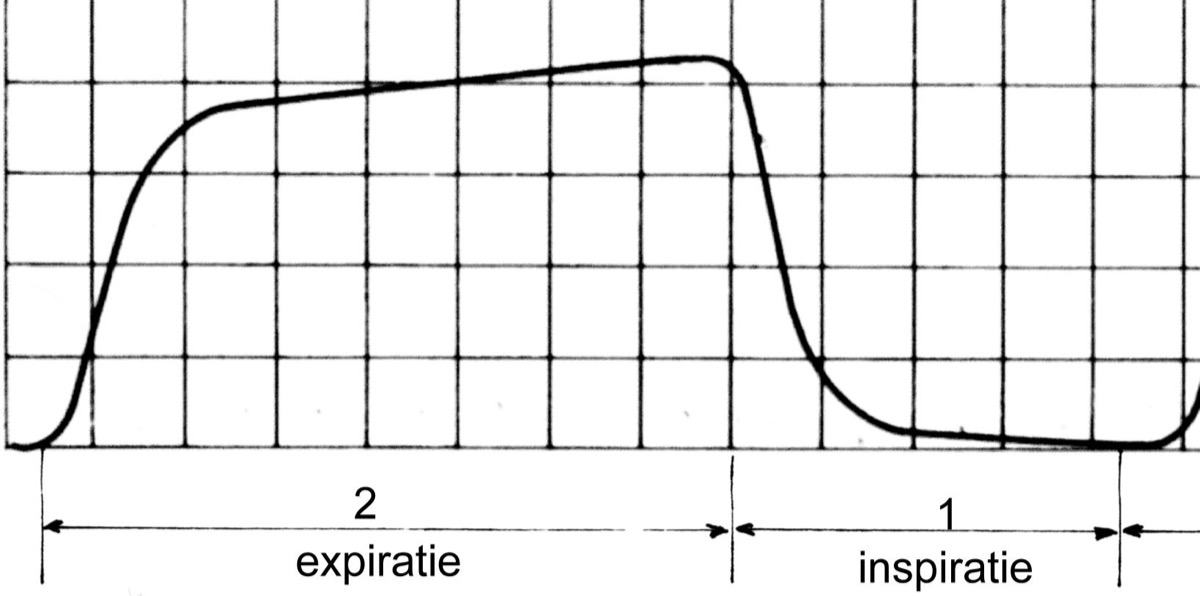
Keep a continuous EtCO₂ waveform and SpO₂ on throughout and after the procedure. A flat or absent capnogram with a normal SpO₂ suggests ventilation has stopped. Check the sampling line and the patient first. A displaced cannula, or mouth-breathing through a nasal sampler, can flatten the trace too. Under ACEP 2014 and ASA 2018 guidance, capnography is an adjunct to clinical monitoring.
Secondary Confirmation
- Chest rise and breath sounds with each breath
- Response to voice or touch at the agreed sedation depth
- Stable heart rate and BP within the expected range for the drug
| Finding | Expected | Concerning / Action |
|---|---|---|
| EtCO₂ waveform | Regular plateau; rate matches breathing | Flat or falling trace: stimulate, jaw thrust, BVM |
| SpO₂ | At or above the target for the patient | <90%: stop dosing, ventilate, reassess |
| Level of response | Responds to voice or light touch | No response to voice: deep sedation, airway support |
| Heart rate / BP | Within expected range for the drug | HR <50/min on dexmedetomidine: reduce rate; bradycardia with hypotension: stop |
Ongoing Monitoring
- Continuous SpO₂, ECG and EtCO₂ until the patient is at baseline
- Respiratory rate, level of response and BP at the interval set by local policy
- Resedation can come back after reversal. Watch for delayed respiratory depression after midazolam or opioids.
Troubleshooting
| Problem | Likely Cause | Fix |
|---|---|---|
| Apnea or falling EtCO₂ | Drug depth, opioid plus sedative, obstruction | Stimulate, jaw thrust, suction, bag-valve mask with oxygen |
| Airway obstruction | Tongue or soft tissue; head position | Head tilt or jaw thrust; oral or nasal airway if tolerated |
| Laryngospasm | Light depth, secretions, blood or vomit in airway | Stop stimulation; Larson maneuver (jaw thrust with bilateral pressure at the laryngospasm notch) and 100% oxygen; CPAP or PEEP; small propofol bolus per protocol; succinylcholine per protocol for complete spasm, with airway rescue (see RSI) |
| Hypotension | Propofol, dexmedetomidine, volume depletion | Pause the drug; fluids; vasopressor per protocol |
| Bradycardia | Dexmedetomidine or deep sedation | Stop the infusion; atropine per protocol; pacing if unstable |
| Emergence agitation or reaction | Ketamine; inadequate analgesia | Reassure, add analgesia; benzodiazepine per protocol |
| Oversedation after reversal | Short-acting reversal wears off before the sedative | Repeat reversal per label; observe until baseline |
If It Still Fails
- Ventilate: bag-valve mask with oxygen and a two-person technique if needed.
- Reverse: flumazenil or naloxone per the table, one dose at a time, reassessing after each.
- Escalate: failed bag-valve mask ventilation moves to advanced airway; see RSI.
Complications
| Complication | Recognition | Prevention | Management |
|---|---|---|---|
| Immediate: apnea and hypoxia | Falling EtCO₂, SpO₂ <90% | Titrate slowly; monitor EtCO₂ from start | Ventilate, reverse, then reassess the plan |
| Immediate: airway obstruction or laryngospasm | Noisy breathing, paradoxical chest motion; complete obstruction is silent, so EtCO₂ goes flat | Adequate depth for the stimulus; suction | Stop stimulation; Larson maneuver, 100% oxygen, CPAP or PEEP, suction; succinylcholine per protocol for complete spasm |
| Immediate: hypotension | BP drop from baseline | Fluids; avoid rapid propofol bolus | Pause drug; fluids; vasopressor per protocol |
| Immediate: bradycardia | HR <50/min or pauses | Slow dexmedetomidine loading; monitor ECG | Stop infusion; atropine per protocol |
| Delayed: resedation | Drowsiness hours after reversal or midazolam | Observe until baseline | Repeat reversal; keep monitors on |
| Rare: aspiration | Vomiting or wet gurgling during sedation | Document intake; weigh urgency and depth; antiemetic per protocol | Suction, head-down position, airway support |
Apnea With Hypoxia
- Stop all sedatives: pause every infusion and syringe.
- Ventilate: bag-valve mask with oxygen until SpO₂ and EtCO₂ recover.
- Reverse and call for help: flumazenil for benzodiazepine excess, naloxone for opioid excess.
Special Populations
Pediatrics
Pediatric sedation runs on weight-based doses, and each one has an explicit maximum. The table gives the age limits from the label or protocol. Midazolam starts at 6 months. Flumazenil starts at age 1 year. Etomidate starts at age 10 years. Ketamine is not for sedation under 3 months. Dexmedetomidine starts at 1 month.
- Use the pediatric weight-based and equipment references linked in Equipment & Preparation.
- Chart a dosing weight and read it back before each pediatric dose.
- Use pediatric airway and pediatric vascular access references for the rescue plan.
Older Adults
- Go smaller and slower with doses. Titrate propofol, and dose it at the low end.
- Hypotension and delayed respiratory depression both need close watching
Pregnancy
- Aspiration risk rises and airway reserve drops from mid-pregnancy. Set the airway plan early, and use aspiration precautions.
- Past about 20 weeks, tilt the patient left. That relieves aortocaval compression.
- Monitor the fetal heart rate. Bring in obstetric care per local protocol.
- Ketamine, propofol and fentanyl are the common choices. Minimize benzodiazepines when alternatives exist. Follow local OB protocol.
Physiologically Difficult Patients
- Shock or sepsis: Resuscitate first, and avoid propofol boluses. If you need an induction agent, use etomidate or ketamine per protocol, dosed to hemodynamics. Etomidate is hemodynamically neutral. Its label notes insufficient data in hypovolemia. Adrenal suppression lasts about 6–8 hr
- Obesity or sleep apnea calls for capnography and a head-up position
Opioid-Tolerant or Benzodiazepine-Dependent Patients
- Expect higher doses, and expect withdrawal risk. Flumazenil can trigger seizures in long-term benzodiazepine users.
- Naloxone reverses opioids, but it may trigger withdrawal. Titrate to breathing.
Post-Procedure Care & Transport
Immediate Aftercare
- Return to voice, spontaneous breathing and protective reflexes before moving the patient
- Keep oxygen and suction in place until recovery is clear
Ongoing Maintenance
- Observe for resedation and respiratory depression for the duration of the longest-acting drug given
- Discharge or transfer only to the local recovery criteria; a short-acting sedative can outlast the procedure
Transport Considerations
- Reassess after every move; keep EtCO₂ and SpO₂ on through transfer
- Monitor noise and vibration can hide alarms: watch the waveform, not only the alarm
Document & Hand Off
- Procedure, time started and time ended
- Each drug, dose, weight basis, route and time
- Sedation depth goal, depth reached and response
- Airway events, reversal given and the response
- Last recorded vitals and the recovery status
Clinical Pearls & Pitfalls
Pearls
- Analgesia first: Treat the pain before you add sedation. Many procedures need analgesia more than depth.
- Waveform over number: A steady EtCO₂ trace tells you about ventilation before SpO₂ falls.
- Titrate, wait, then dose: Let the last dose work before you give another.
- Know the reversal: Flumazenil for benzodiazepines. Naloxone for opioids. Most of the others have none.
- Confirm the concentration: Ketamine and midazolam vials come in different strengths.
Common Pitfalls
- Dosing a sleepy patient: Let the depth settle before the next dose
- Relying on SpO₂ alone: Add EtCO₂ before the first dose
- Using an induction dose for sedation: Etomidate's labeled dose is for induction. Sedation doses are protocol-specific. And etomidate gives no analgesia
- Bolusing dexmedetomidine: The loading dose runs over 10 min, on a pump
Education & Skill Maintenance
Skill Maintenance
- Every quarter, rehearse airway rescue and the stop-ventilate-reverse sequence in simulation
- Walk through the pre-procedure checklist with a second clinician who reads back each dose
- After every sedation event, debrief the depth, the timing and how the rescue went
- At the start of every shift, check the equipment and the reversal agents
References
- Godwin SA, Burton JH, Gerardo CJ, Hatten BW, Mace SE, Silvers SM, et al. Clinical policy: procedural sedation and analgesia in the emergency department. Annals of Emergency Medicine. 2014;63(2):247–258. https://doi.org/10.1016/j.annemergmed.2013.10.015
- American Society of Anesthesiologists Task Force on Moderate Procedural Sedation and Analgesia. Practice guidelines for moderate procedural sedation and analgesia 2018. Anesthesiology. 2018;128(3):437–479. https://doi.org/10.1097/ALN.0000000000002043
- American Society of Anesthesiologists. 2023 American Society of Anesthesiologists Practice Guidelines for Preoperative Fasting: carbohydrate-containing clear liquids with or without protein, chewing gum, and pediatric fasting duration. Anesthesiology. 2023;138:132–151. https://doi.org/10.1097/ALN.0000000000004381
- Coté CJ, Wilson S; American Academy of Pediatrics; American Academy of Pediatric Dentistry. Guidelines for monitoring and management of pediatric patients before, during, and after sedation for diagnostic and therapeutic procedures. Pediatrics. 2019;143(6). https://doi.org/10.1542/peds.2019-1000
- Green SM, Roback MG, Bhatt M, Andolfatto G, Caperell K, Poonai N, et al. Unscheduled procedural sedation multidisciplinary Delphi consensus guidelines, part 2: clinical practice (ACEP policy statement). Annals of Emergency Medicine. 2026;88:346–361. https://doi.org/10.1016/j.annemergmed.2026.06.039
- Par Health. Ketalar (ketamine hydrochloride) injection: full prescribing information; revised 03/2026. U.S. Food and Drug Administration. https://www.accessdata.fda.gov/drugsatfda_docs/label/2026/016812s057lbl.pdf
- Pfizer. Naloxone hydrochloride injection: dosage and administration (pediatric overdose and postoperative opioid depression). Pfizer Medical Information, accessed October 15, 2026. https://www.pfizermedical.com/naloxone/dosage-admin
- Hospira, Inc. Midazolam injection, USP CIV: prescribing information. DailyMed, U.S. National Library of Medicine; 2026. https://dailymed.nlm.nih.gov/dailymed/drugInfo.cfm?setid=1abda8b8-48a8-4995-af86-39220d1aa240
Medical Disclaimer
- For Educational Purposes Only: This content is intended for educational reference and should not be used for clinical decision-making.
- Not a Substitute for Professional Judgment: Always consult your local protocols, institutional guidelines, and supervising physicians.
- Verify Before Acting: Users are responsible for verifying information through authoritative sources before any clinical application.