

Bedside Snapshot
- Recognize
- Sepsis: suspected infection with a Phoenix Sepsis Score of 2 or more.
Septic shock: sepsis plus a cardiovascular point: low pressure for age, lactate 5 mmol/L or higher, or a vasoactive drug. - Red Flags
- Lethargy or unresponsiveness
- Capillary refill over 2 s, mottling
- Falling urine output
- Non-blanching petechiae or purpura
- First Actions
- Airway, oxygen, IV or IO access, glucose, lactate and blood culture if no delay. Give antibiotics within 1 hr in suspected septic shock. Do not wait for cultures
- Key Doses
- Isotonic 10–20 mL/kg bolus, reassess after each; up to 40–60 mL/kg in the first hour with ICU access
- Epinephrine or norepinephrine infusion if fluid-refractory (protocol)
- Ceftriaxone 50–75 mg/kg/day, max 2 g/day (example)
- Don't Miss
- Meningococcal purpura; ductal-dependent heart disease in a neonate; line or shunt infection; hypoglycemia; adrenal crisis
- Escalate & Transport
- Early PICU or pediatric-ready ED consult; antibiotics before transfer if protocol allows; structured handoff with fluid volumes in mL/kg and times
Overview & Pediatric Differences
Pediatric sepsis is infection that threatens life by injuring organs. A fixed list of abnormal vital signs does not define it. The 2024 Phoenix criteria replaced the 2005 International Pediatric Sepsis Consensus Conference criteria. Those relied on systemic inflammatory response syndrome (SIRS) findings, and SIRS predicts poorly. Suspected infection plus a Phoenix Sepsis Score of 2 or more means the child has sepsis. Add cardiovascular dysfunction and it is septic shock. The score counts points in four organ systems: respiratory (oxygenation or ventilation), cardiovascular (mean arterial pressure for age, lactate and vasoactive drugs), coagulation (platelets, INR, D-dimer and fibrinogen) and neurologic (Glasgow Coma Scale and pupil reaction). A lactate of 5 mmol/L or higher earns the cardiovascular point. The criteria cover children under 18 years. They do not apply to birth hospitalizations or to children with postconceptional age under 37 weeks. Do not use them for those patients. The published table holds the points and cut-offs.
Why Kids Are Different
- Tachycardia comes first: a child holds blood pressure up with a faster heart and tighter vessels. Hypotension shows up late.
- Fever is unreliable in young infants: some neonates and young infants with sepsis run cold or stay afebrile. Read the trend and the perfusion. Do not trust the temperature alone.
- Little volume reserve: a 10 kg infant's 20 mL/kg bolus is only 200 mL. Count every volume in mL/kg.
- Age-specific cut-offs: blood pressure thresholds in the Phoenix score move with age. One adult number will mislead you in a child.
How deadly is it? In the Phoenix validation, a score of 2 or more carried an in-hospital mortality of 7.1% in higher-resource settings and 28.5% in lower-resource settings. Septic shock ran 10.8% and 33.5%.
Recognition & Severity
Infection plus a change in perfusion, mental status or organ function. That is sepsis. Compare the child with their own baseline first, then with age norms (see vital signs by age).
| Feature | Sepsis, Compensated | Septic Shock, Decompensated |
|---|---|---|
| Heart rate | Tachycardia | Tachycardia, or bradycardia with poor perfusion (pre-arrest) |
| Blood pressure | Normal for age | Below the age threshold, or low mean arterial pressure for age |
| Capillary refill | Prolonged (more than 2 s) | Markedly prolonged or absent |
| Mental status | Irritable, drowsy or restless | Lethargic or unresponsive |
| Skin | Warm and flushed, or cool and pale | Mottled, gray or cold |
| Lactate | Normal or mildly raised | 5 mmol/L or higher (Phoenix cardiovascular point) |
| Urine output | Reduced | Minimal or absent |
These are the hypotension thresholds on this site (systolic, mmHg): term neonate under 60; infant 1 to 12 months under 70; 1 to 10 years under 70 + (2 × age); over 10 years under 90. Use them at the bedside for triage. The Phoenix score runs on mean arterial pressure by age, so score from the published table. Dosing moves to adult doses by weight, 40 kg or more, per protocol. Age does not decide it.
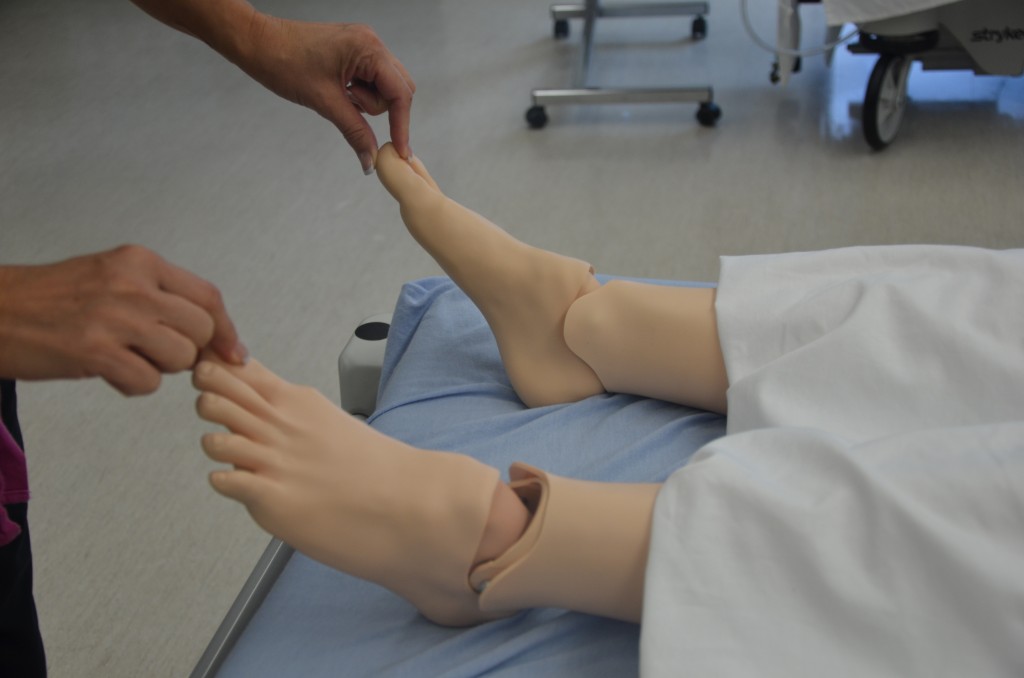
Age-Specific Presentation
- Neonate (0–28 days): poor feeding, unstable temperature, apnea, grunting, lethargy and hypoglycemia. Think sepsis and ductal-dependent heart disease at the same time.
- Infant (1–12 months): irritability, poor feeding, a bulging fontanelle and fewer wet diapers.
- Child (1–12 years): lethargy, cool extremities, abdominal pain or vomiting, and reduced urine output. Up to age 10, use the 1–10 year threshold. From age 11, use the under-90 threshold.
- Adolescent (13–18 years): adult signs and the under-90 systolic threshold apply. Hypotension may show up late, and all at once.
Differential Diagnosis
| Condition | Distinguishing Features | Key Test or Finding |
|---|---|---|
| Meningococcal sepsis | Fever with petechiae or purpura that does not blanch; rapid collapse | Blood culture; cerebrospinal fluid per protocol when safe |
| Toxic shock syndrome | Fever, diffuse rash, mucosal redness, rapid multi-organ involvement | Search for a source (wound, tampon, pharyngitis); cultures |
| Anaphylaxis | Hives, angioedema, wheeze or stridor after an exposure | Clinical picture; epinephrine IM 0.01 mg/kg (1 mg/mL, max 0.3 mg; up to 0.5 mg per local protocol for large children and adolescents) |
| Ductal-dependent heart lesion (neonate) | Day 1 to 2 weeks old; poor feeding; weak femoral pulses; cyanosis | Pre- and post-ductal SpO₂; echocardiogram |
| Adrenal crisis | Known adrenal insufficiency or recent steroid withdrawal; hypoglycemia; low sodium | Glucose and sodium; stress-dose hydrocortisone per protocol |
| Diabetic ketoacidosis | Polyuria, vomiting, deep rapid breathing | Glucose, ketones and venous blood gas |
| Myocarditis | Viral prodrome, gallop, hepatomegaly, poor perfusion out of proportion to the illness | ECG; echocardiogram |
Management by Severity
0–5 Minutes
- Recognize and start the clock: write down the time you suspect septic shock. The one-hour antibiotic target counts from that moment (Paramedic/RN/CCT, per local protocol).
- Access and glucose: place an IV, or an IO if IV access is not rapidly obtainable, per local protocol (see pediatric vascular access). Check glucose.
- Draw labs without delay: draw the blood culture only if it will not delay antibiotics. Lactate, CBC, electrolytes, coagulation studies and a blood gas. SSC 2026 strongly recommends measuring lactate at the initial evaluation.
Within 1 Hour
- Give antibiotics: in suspected septic shock, SSC 2026 strongly recommends antimicrobials, ideally within 1 hour of recognition. Don't wait on culture results. Pick the agent by local protocol and suspected source. Add MRSA or meningitis coverage per protocol.
- Give a balanced bolus: 10–20 mL/kg isotonic crystalloid over 5–20 min, then reassess. When boluses are needed, SSC 2026 suggests a balanced or buffered solution over 0.9% saline (conditional, very low certainty). The exception is hyponatremia or concern for raised intracranial pressure, such as CNS infection. There, SSC 2026 notes 0.9% saline may be preferred.
- Set the total: with ICU access, you can give up to 40–60 mL/kg in the first hour, as 10–20 mL/kg boluses. Without ICU access, the cap is 40 mL/kg in the first hour, and only in septic shock with hypotension. Stop when shock resolves. Stop too when fluid overload appears: crackles, rising oxygen need or hepatomegaly.
Sepsis Without Hypotension
- No bolus without hypotension: sepsis without hypotension, and no ICU access, means no bolus. SSC 2026 strongly recommends against fluid boluses here and favors starting maintenance fluids.
- Reassess: repeat perfusion, mental status and lactate checks. Escalate to a pediatric-ready ED or PICU if perfusion worsens.
Management by Type: Fluid-Refractory Septic Shock
- Start a vasoactive infusion: when shock persists after fluid, start epinephrine or norepinephrine. SSC 2026 found too little evidence to rank one above the other. Let the clinical picture and local protocol choose. Dopamine is second-line per protocol (see dopamine).
- Start peripherally when needed: you do not have to wait for a central line. SSC 2026 conditionally recommends peripheral or IO vasoactives (very low certainty). Watch the site for extravasation.
- Escalate: when you need high-dose catecholamines, SSC 2026 conditionally suggests adding vasopressin or titrating the catecholamines further (low certainty). In children, vasopressin is PICU specialist practice.
- Hydrocortisone: once fluids and vasoactives have stabilized the child, SSC 2026 conditionally suggests against routine IV hydrocortisone (low certainty). Stress-dose hydrocortisone is for suspected or known adrenal insufficiency.
- Intubation: resuscitate first, and have a vasoactive running or ready. SSC 2026 conditionally suggests against etomidate for intubating children with sepsis (low certainty).
Medications & Dosing
Every dose runs per kg of measured weight. Only when no weight is available do you fall back to a length-based or age-based estimate (see weight-based dosing).
Fluids and Antibiotics
| Drug | Dose & Route | Max | Notes |
|---|---|---|---|
| Normal saline (0.9% NaCl) | 10–20 mL/kg IV/IO bolus over 5–20 min, reassess after each | 40–60 mL/kg in first hour with ICU access; up to 40 mL/kg without ICU in septic shock with hypotension | SSC 2026 suggests a balanced crystalloid over saline. Stop for overload: crackles, falling SpO₂ or hepatomegaly |
| Lactated Ringer's (balanced) | 10–20 mL/kg IV/IO bolus over 5–20 min, reassess after each | Same totals as normal saline | Contains calcium. Do not mix or co-infuse ceftriaxone with it through the same line or Y-site. Beyond 28 days, sequential use is permitted if the line is flushed between infusions. Ceftriaxone is contraindicated in neonates 28 days or younger who require, or are expected to require, IV calcium |
| Ceftriaxone (example for children over 28 days; choice per protocol) | Serious infection: 50–75 mg/kg/day IV/IM, once daily or divided every 12 hr Meningitis: 100 mg/kg initial dose, then 100 mg/kg/day | 2 g/day for serious infection; 4 g/day for meningitis | Label: contraindicated in premature neonates up to 41 weeks postmenstrual age and in neonates 28 days or younger needing IV calcium; not for hyperbilirubinemic neonates. Give IV doses over 60 min in neonates |
| Vancomycin (MRSA risk) | Weight-based and level- or AUC-guided, per the vancomycin page | Per vancomycin page | Add per protocol when MRSA is a risk. Dosing is not repeated on this page |
Vasoactives and Steroids
| Drug | Dose & Route | Max | Notes |
|---|---|---|---|
| Epinephrine infusion High-alert | 0.05–2 mcg/kg/min IV/IO, titrated to MAP and perfusion | Titrate to effect; label titration range up to 2 mcg/kg/min | Pump in mcg/kg/min, not mcg/min. Label indication for septic shock is adults; pediatric safety is not established, so use per PICU protocol. Not a 1 mg IV push |
| Norepinephrine infusion High-alert | Start 0.05–0.1 mcg/kg/min IV/IO, titrate to perfusion | Usual max 2 mcg/kg/min | Not preferred over epinephrine by SSC 2026. Pediatric use not established on label. Check the site for extravasation |
| Vasopressin (add-on) High-alert PICU specialist | 0.0005–0.002 units/kg/min IV, per PICU pharmacy | Max 0.002 units/kg/min (per PICU pharmacy) | Pediatric dosing is protocol-based (PICU pharmacy). Added when high-dose catecholamines are needed, per the 2026 SSC guideline |
| Dopamine infusion (second-line) High-alert | Start 2–5 mcg/kg/min IV/IO, titrate in 5–10 mcg/kg/min steps | Label max 50 mcg/kg/min; usual max 15–20 mcg/kg/min (premix) | Second-line here, per protocol. Tachyarrhythmia and ectopy are common |
| Hydrocortisone Not routine in sepsis | Suspected or known adrenal insufficiency: 2 mg/kg IV/IO (stress-dose convention, protocol-dependent) | Max 100 mg per dose (protocol convention) | SSC 2026 suggests against routine IV hydrocortisone once stable. Stress dosing is for known or suspected adrenal insufficiency. Dosing per the hydrocortisone page |
| Dextrose 10% (D10W) | 5–10 mL/kg IV/IO (0.5–1 g/kg) for hypoglycemia; neonates 2 mL/kg | Max 25 g per dose | Recheck glucose after each dose. Concentration and age cut-offs are protocol-dependent. D50 is generally avoided in young children; diluted D10W or D25 is the usual alternative per local protocol |
Infusions are written in mcg/kg/min at a dosing weight. Every vasoactive infusion gets two independent checks: drug, concentration, units and rate.
Monitoring, Reassessment & Disposition
| Parameter | Target | Notes |
|---|---|---|
| Perfusion | Capillary refill 2 s or less; warm extremities; normal mental status | Reassess after each bolus and during active resuscitation |
| Blood pressure | Age-appropriate; judge the trend, not one value | Use with perfusion, lactate and urine output |
| Lactate | Falling with treatment | Repeat per protocol. A rising value on repeat testing means the child is getting worse |
| Oxygenation | Avoid both hypoxemia and hyperoxia. After resuscitation, SSC 2026 suggests SpO₂ 88–92% rather than above 94% | Conditional, moderate certainty. Other protocols use a different target, so titrate to the local target |
| Central venous saturation | ScvO₂ 70% or higher, when central access is in place | SSC 2026 conditional recommendation (very low certainty) |
| Glucose | Normal for age; treat hypoglycemia promptly | Check early and repeatedly (see dextrose) |
| Urine output | Adequate for weight | A urinary catheter gives accurate output in critically ill children |
| Temperature | Normothermia | Warm fluids; monitor core temperature during large volumes |
- Labs: lactate, glucose, electrolytes, BUN and creatinine, CBC, coagulation studies (DIC is common in septic shock) and a blood gas with base deficit. Follow the base deficit as a trend, and skip the fixed cut-off.
- Disposition: PICU or a pediatric-ready ED. Transfer early, before the child needs several infusions or intubation, where possible.
Pitfalls & Safety Checks
| Pitfall | Consequence | Prevention |
|---|---|---|
| Waiting for cultures before antibiotics | Delayed treatment of septic shock | Draw cultures only if they cause no delay; antibiotics ideally within 1 hour |
| Treating blood pressure as the first sign | Late recognition; sudden collapse | Act on heart rate, capillary refill, mental status and lactate |
| Running the bolus as a slow drip | Shock is not reversed | Push 10–20 mL/kg and reassess after each |
| Boluses in sepsis without hypotension (no ICU) | Fluid overload without benefit | Maintenance fluids; reserve boluses for hypotension |
| Fluid overload in cardiogenic shock or ARDS | Pulmonary edema; worse oxygenation | Small boluses; stop at crackles or rising oxygen need |
| Infusion units confused (mcg/kg/min vs mcg/min or mL/hr) | Large dosing error | Check units and dosing weight on the pump and the label |
| Dosing by age instead of weight | Overdose or underdose | Use measured weight, then a length-based estimate (see the broselow page) |
| Missing hypoglycemia | Seizure; worsening shock | Check glucose early and repeatedly |
Special Populations
Neonates and Young Infants
- Two causes look alike: sepsis and ductal-dependent heart disease. No response to fluid and antibiotics? Think about the second one.
- Empiric antibiotics: follow the neonatal protocol. Ampicillin with gentamicin or cefotaxime is common. Add acyclovir when HSV is possible.
- Ceftriaxone limits: contraindicated in premature neonates up to 41 weeks postmenstrual age, and in neonates 28 days or younger who need IV calcium (label).
- Glucose: neonatal D10W is 2 mL/kg. Check glucose early, then keep checking.
Adolescents
- Switch point: at 40 kg or more, going by weight and not age, or past the length-based tape, adult protocols and adult maximum doses apply. Follow local protocol.
Neutropenia, Asplenia, Sickle Cell Disease or Immunosuppression
- Treat fever as high risk: with febrile neutropenia, asplenia, sickle cell disease or immunosuppression (including chemotherapy and transplant), start broad-spectrum antibiotics early. The oncology, hematology or local protocol picks the agents.
- Escalate early: these children can fall apart fast, with less reserve to spare. Call the PICU or treating team sooner than you would for an otherwise similar child.
Children With Central Lines or Special Health Care Needs
- Consider the line or device as a source: a central venous catheter, a ventriculoperitoneal shunt or a gastrostomy can seed bacteremia. Ask when it was last changed.
- Carry the Emergency Information Form: it lists devices, prior surgery and home medications. Recent steroids belong on it as well.
Prehospital & Transport Considerations
| Level | Typical Role in Pediatric Sepsis |
|---|---|
| EMT | Recognize sepsis and shock, oxygen, warmth, glucose check if protocol allows, early transport to a pediatric-ready ED |
| AEMT | IV or IO access and glucose, per protocol (commonly) |
| Paramedic | IO access, 10–20 mL/kg bolus with reassessment, vasoactive infusion per protocol (commonly) |
| RN (ED/ICU) | Cultures and lactate, antibiotics ideally within 1 hour, infusion titration, PICU consult |
| Critical care transport | Infusion pumps in mcg/kg/min, ventilator settings by age, altitude effects on infusions and ventilation |
- Time to antibiotics: call ahead to the receiving team. Give antibiotics where your protocol allows, as long as transport is not held up.
- Destination: the nearest pediatric-ready ED to stabilize, or a PICU when you expect escalation.
- Restrain on the stretcher: use a size-appropriate restraint. Do not hold the child on a caregiver's lap during transport.
- Keep the child warm: infants lose heat fast. Warm the fluids when that is feasible.
- Handoff: run it in a structured format (IMIST-AMBO or MIST). Say the fluid volumes in mL/kg, the time of each bolus and the antibiotic time.
Clinical Pearls
References
- Weiss SL, Peters MJ, Oczkowski SJW, et al. Surviving Sepsis Campaign international guidelines for the management of sepsis and septic shock in children 2026. Pediatr Crit Care Med. 2026;27(4):379–434. https://doi.org/10.1097/PCC.0000000000003927
- Sanchez-Pinto LN, Bennett TD, DeWitt PE, et al. Development and validation of the Phoenix criteria for pediatric sepsis and septic shock. JAMA. 2024;331(8):675–686. https://doi.org/10.1001/jama.2024.0196
- Schlapbach LJ, Watson RS, Sorce LR, et al. International consensus criteria for pediatric sepsis and septic shock. JAMA. 2024;331(8):665–674. https://doi.org/10.1001/jama.2024.0179
- Lasa JJ, Dhillon GS, Duff JP, et al. Part 8: Pediatric Advanced Life Support: 2025 American Heart Association and American Academy of Pediatrics guidelines for cardiopulmonary resuscitation and emergency cardiovascular care. Circulation. 2025;152(16 suppl 2):S479–S537. https://doi.org/10.1161/CIR.0000000000001368
- Hikma Pharmaceuticals USA Inc. Ceftriaxone injection, powder, for solution: prescribing information. DailyMed; revised December 2021; label updated September 30, 2026. https://dailymed.nlm.nih.gov/dailymed/drugInfo.cfm?setid=8351aa37-552d-471d-b293-c564dcb6ec29
- Gland Pharma Limited. Epinephrine injection, 1 mg/mL: prescribing information. DailyMed; revised November 2025; label updated September 23, 2026. https://dailymed.nlm.nih.gov/dailymed/drugInfo.cfm?setid=79ca73ca-d3c0-40af-9dec-e2f4ce669cda
- Breckenridge Pharmaceutical, Inc. Norepinephrine bitartrate injection, concentrate: prescribing information. DailyMed; revised August 2024; label updated August 27, 2026. https://dailymed.nlm.nih.gov/dailymed/drugInfo.cfm?setid=109aa5e6-4e42-4131-97b0-f24d3a4cb4e8
Medical Disclaimer
- For Educational Purposes Only: This content is intended for educational reference and should not be used for clinical decision-making.
- Not a Substitute for Professional Judgment: Always consult your local protocols, institutional guidelines, and supervising physicians.
- Verify Before Acting: Users are responsible for verifying information through authoritative sources before any clinical application.