

Bedside Snapshot
- Use It For
- Torsades de pointes (polymorphic VT with long QT); eclampsia and preeclampsia with severe features; severe asthma failing initial therapy; symptomatic hypomagnesemia
- Adult Dose
- Torsades: 2 g IV over about 15 min, may repeat 2 g; sustained: shock first
- Eclampsia: 4–6 g IV over 20–30 min, then 1–2 g/hr; no IV: 10 g IM
- Severe asthma: 2 g IV over 20 min, single dose. Hypomagnesemia: IV per protocol
- Pediatric Dose
- Torsades: 25–50 mg/kg IV/IO (max 2 g). Asthma, age 2 yr and older: 40 mg/kg IV over 10–15 min (max 2 g); GINA differs (40–50 mg/kg over 20–60 min)
- Onset / Duration
- IV: immediate / about 30 min; IM: about 1 hr / 3–4 hr
- Do Not Give / Hold If
- Heart block without a pacer; myasthenia gravis. Hold repeat doses if patellar reflexes are absent, RR <16/min or urine output <100 mL in 4 hr
- Watch For
- Lost patellar reflexes (first sign of toxicity); respiratory depression (RR, SpO₂, EtCO₂); hypotension with fast infusion; bradycardia or heart block (ECG)
- Reversal / Rescue
- Stop the magnesium; ventilate. Calcium gluconate 1 g (10 mL of 10%) IV over 3 min or calcium chloride 500 mg IV. Pediatric: calcium chloride 20 mg/kg (0.2 mL/kg), max 1 g; or calcium gluconate 60 mg/kg, max 3 g
- Must Remember
- The 50% vial is 500 mg/mL: never push it undiluted IV, say grams and mL aloud (4 g = 8 mL), and run infusions on a pump with an independent double-check
Indications
Emergency & Prehospital
- Torsades de pointes: polymorphic VT with a long QT. Magnesium suppresses the runs and keeps new ones from starting. 2025 AHA Guidelines for CPR and ECC, Part 9 rates it COR 2b, LOE C-LD ("may be considered") for recurrences with a long QT. The AHA text does not make the serum Mg²⁺ level a condition. Sustained torsades, with or without a pulse, gets an immediate unsynchronized shock first (COR 1, LOE B-NR). Shock first, not magnesium. See QT interval.
- Eclampsia: first-line treatment of seizures and prevention of recurrence, during pregnancy or up to 6 weeks postpartum
- Preeclampsia with severe features: seizure prophylaxis for severe-range BP (SBP ≥160 or DBP ≥110 mmHg), or SBP 140–159 or DBP 90–109 mmHg with severe headache, visual change or RUQ/epigastric pain; given with an antihypertensive: IV labetalol, IV hydralazine or immediate-release oral nifedipine (the ACOG choice when there is no IV access)
- Severe asthma exacerbation: one IV dose when there is no response to initial bronchodilators and steroids and hypoxemia persists (off-label)
ED / ICU / Transport
- Hypomagnesemia: replacement, especially with tetany, arrhythmia, or coexisting hypokalemia or hypocalcemia (labeled)
- AF with rapid ventricular response: adjunct to standard rate-control drugs (2023 ACC/AHA/ACCP/HRS); also used to correct Mg²⁺ before ibutilide (off-label)
- Fetal neuroprotection: anticipated early preterm birth, to reduce cerebral palsy; the gestational-age cutoff is set by the obstetric protocol (off-label)
- Short-term prolongation of pregnancy: up to 48 hr to complete antenatal corticosteroids (off-label; obstetric use only)
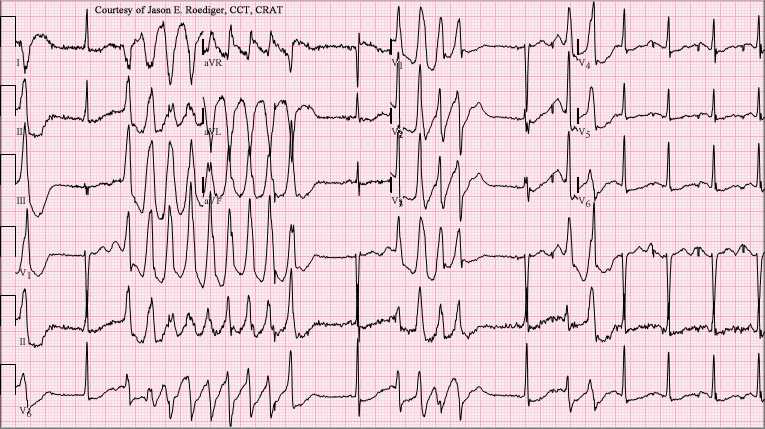
Not a routine cardiac arrest drug: 2025 AHA Guidelines for CPR and ECC, Part 9 is blunt on this one. Routine magnesium for adults in arrest is not recommended (COR 3: No Benefit, LOE B-R). Magnesium is for torsades, and only torsades. VF and monomorphic VT gained nothing: no better ROSC, no better survival. Polymorphic VT with a normal QT is the same story (COR 3: No Benefit, LOE C-LD).
Dosing & Administration
Doses below come from the cited sources. Local protocol may differ.
Available Forms
- 50% vial or prefilled syringe: 500 mg/mL (4 mEq Mg²⁺/mL), e.g. 5 g/10 mL; 4.06 mOsm/mL. Dilute to 20% or less before IV use. Give it undiluted only as an adult deep IM. Most EMS agencies carry this concentrate.
- Premixed in water (4%): 40 mg/mL as 2 g/50 mL, 4 g/100 mL, 20 g/500 mL and 40 g/1,000 mL (325 mOsm/L)
- Premixed in 5% dextrose (1%): 10 mg/mL as 1 g/100 mL
- Conversions: 1 g magnesium sulfate (heptahydrate) = 8.1 mEq (about 4 mmol) Mg²⁺ = 2 mL of 50%
High-Alert Medication: Magnesium sulfate injection is on the ISMP high-alert list. Three traps catch people. Grams confused with mL of the 50% concentrate (4 g = 8 mL). Pump rate errors on obstetric infusions. "MgSO4" read as "MSO4" (morphine). Use premixed bags and a smart pump. Have a second clinician check dose, concentration and rate on their own at start, at each bag change and at handoff.
Adult Dosing
| Indication | Dose & Route | Repeat / Max | Notes |
|---|---|---|---|
| Torsades de pointes: recurrent or self-terminating runs (long QT) | 2 g IV, diluted, over about 15 min | Repeat 2 g if episodes persist; no fixed max: check serum Mg²⁺ and reflexes after repeat doses | High-alert Recurrent torsades with a long QT: 2025 AHA Part 9, COR 2b, LOE C-LD. The 2 g dose comes from the 2010 AHA/ACCF statement (Drew et al.); the 2025 text states no dose. Not for polymorphic VT with a normal QT (COR 3: No Benefit). Stop QT-prolonging drugs and correct K⁺ (AHA: correcting hypokalemia is advisable). Pause-dependent torsades: expert consultation for overdrive pacing or isoproterenol. |
| Sustained torsades, with or without a pulse (including cardiac arrest) | Immediate unsynchronized shock at maximum energy first (COR 1, LOE B-NR); then 2 g IV/IO, diluted: over 1–2 min if pulseless (NASEMSO), over about 15 min with a pulse | Repeat 2 g if torsades recurs; no fixed max | High-alert AHA 2025 Part 9 treats all polymorphic VT as hemodynamically and electrically unstable, so shock first and do not wait for magnesium. In arrest, CPR and defibrillation come first. Not for routine arrest or VF/VT with a normal QT. |
| Eclampsia or preeclampsia with severe features (IV) | Load 4–6 g IV over 20–30 min, then 1–2 g/hr IV infusion | Max 30–40 g per 24 hr | High-alert Hospital regimen (ACOG). The 2025 NAEMSP/ACOG EMS model guideline uses 4 g IV over 20 min, then 2 g/hr. Recurrent seizure on magnesium: sources differ. The FDA label allows an additional 2 g IV bolus if reflexes and breathing allow; the ACOG 2023 algorithm instead continues the infusion, gives a benzodiazepine (lorazepam 4 mg IV over 3–5 min, diazepam 5–10 mg IV slowly, or midazolam 10 mg IM if no IV) and prepares for intubation. Follow protocol. Eclampsia: continue at least 24–48 hr after the last seizure or delivery, whichever is later. |
| Eclampsia or preeclampsia with severe features, no IV access (IM) | 10 g IM: 5 g (10 mL of 50%) deep IM into each buttock | Then 5 g IM every 4 hr in alternate buttocks if reflexes, breathing and urine output allow; max 30–40 g per 24 hr | High-alert May mix with 1 mL of 2% lidocaine to reduce pain. No data support IO use in eclampsia: give IM when IV access fails (NAEMSP/ACOG). |
| Severe asthma exacerbation (adjunct) | 2 g IV over 20 min | Single dose | High-alert GINA: not routine; for no response to initial treatment with persistent hypoxemia, or FEV₁ <25–30% predicted. Nebulized magnesium has no proven benefit. |
| AF with rapid ventricular response (adjunct, off-label) | IV dose per institutional protocol, added to standard rate-control drugs | No guideline dose. In the guideline's cited meta-analysis, total doses of 5 g or less beat higher doses for conversion to sinus rhythm | High-alert 2023 ACC/AHA/ACCP/HRS: reasonable to achieve and maintain rate control (Class 2a). Before ibutilide, check and correct K⁺ and Mg²⁺; magnesium beforehand may lower the risk of torsades. |
| Symptomatic hypomagnesemia (seizure, tetany or arrhythmia) | Urgent IV replacement per institutional protocol; with torsades, use the torsades dose above | Per protocol; do not exceed renal excretory capacity | High-alert The label gives only the regimens below. Check serum Mg²⁺, reflexes, K⁺ and Ca²⁺; replace K⁺ and Ca²⁺ too. |
| Severe hypomagnesemia (labeled) | 5 g in 1,000 mL D5W or NS IV over 3 hr; or up to 250 mg/kg IM within 4 hr | Do not exceed renal excretory capacity; severe renal impairment: max 20 g per 48 hr | High-alert Label regimen; institutional replacement protocols vary. Check K⁺ and Ca²⁺ and replace them too. |
| Mild hypomagnesemia (labeled) | 1 g IM every 6 hr for 4 doses | Max 4 g per 24 hr for this regimen | High-alert IM injection of 50% is painful; IV replacement per institutional protocol is the alternative. |
| Fetal neuroprotection, early preterm birth (off-label) | Per obstetric protocol (trial regimens differ) | Short course, usually under 48 hr | High-alert Obstetric team decision; monitor as for preeclampsia. |
Pediatric Dosing
| Indication | Dose (per kg) & Route | Max Single / Max Total | Notes |
|---|---|---|---|
| Torsades de pointes | 25–50 mg/kg IV/IO: pulseless, push over 1–2 min; with a pulse, give over about 15 min as for adults | Max 2 g per dose | High-alert NASEMSO v3.0 pediatric dose (Cardiac Arrest, p. 119). Dilute to 20% or less. Pulseless: defibrillate first. Pediatric hypomagnesemia replacement: not established here; specialist use only. |
| Severe bronchoconstriction, age 2 yr and older | 40 mg/kg IV over 10–15 min | Max 2 g; single dose | High-alert NASEMSO v3.0 (Respiratory Distress, p. 192). Differs: GINA gives 40–50 mg/kg over 20–60 min. GINA: after the first hour of standard therapy, e.g. SpO₂ <92%, or FEV₁ <60% predicted after 1 hr of care in older children. |
| Eclampsia or preeclampsia in pregnant adolescents | Adult doses (not weight-based) | As for adults: max 30–40 g per 24 hr | Labeled for adolescents at the adult dose. |
| Neonates | Not routinely used (consult) | — | Neonatal or NICU protocol only. |
See weight-based dosing for calculation checks.
Continuous Infusion
| Setting | Example Concentration | Start | Titrate | Usual Range / Max |
|---|---|---|---|---|
| Preeclampsia or eclampsia maintenance | 40 mg/mL premix (20 g/500 mL or 40 g/1,000 mL), example (institution-specific) | 1–2 g/hr (25–50 mL/hr of 40 mg/mL) after the load; EMS model: 2 g/hr | To serum Mg²⁺ (ACOG range 4.9–8.5 mg/dL; the FDA premix label suggests a lower eclampsia target of 3–6 mg/dL, or 2.5–5 mEq/L: follow protocol), patellar reflexes, RR and urine output | Max 30–40 g per 24 hr. Severe renal impairment or oliguria: 4 g load, then 1 g/hr titrated down by levels, max 20 g per 48 hr (reached about 16 hr into 1 g/hr: never run it open-ended) |
Preparation & Administration
- Dilution: Dilute 50% to 20% (200 mg/mL) or less in D5W or NS before IV use. For example, a 4 g load is 20 mL of 20% or 40 mL of 10%.
- Rate: The 50% vial label caps IV injection at 150 mg/min. The exception is severe eclampsia with seizures, where it allows a 4 g load diluted to 10–20% over 3–4 min. Other obstetric loads run over 20–30 min per ACOG (the premix label gives 4–6 g over 15 min). Pulseless torsades is a bolus. Run it too fast and you get flushing and hypotension.
- IM: Undiluted 50% by deep gluteal injection in adults; dilute to 20% or less for children.
- IO: Acceptable for pulseless torsades. In eclampsia there are no data on IO use, so give IM when IV access fails.
- Pump requirement: Run every infusion on an infusion pump, programmed in g/hr.
- Rescue drug ready: Keep an injectable calcium salt immediately available whenever magnesium is running.
Dosing Notes: Renal dose changes are covered under Special Populations.
Contraindications & Precautions
Contraindications
- Heart block or myocardial damage (label)
- Myasthenia gravis: magnesium can precipitate a myasthenic crisis
- Diabetic coma (label wording)
Precautions
- Renal impairment or oliguria: the kidneys are the only route out, so usual doses build up to toxic levels. See Special Populations.
- Neuromuscular blockade or neuromuscular disease: magnesium strengthens the blockade, and toxicity shows up at lower levels.
- Digoxin: use extreme caution. If calcium is needed to reverse magnesium toxicity, conduction changes and heart block can follow.
- Pregnancy beyond 5–7 days: continuous use causes fetal hypocalcemia and bone demineralization. Not for prolonged tocolysis.
- Peripartum timing: older premixed-bag labels list IV use in the 2 hr before delivery as a contraindication. ACOG practice keeps magnesium running through delivery. Follow the obstetric protocol and warn the neonatal team.
- Dextrose premix: raises blood glucose in diabetes or prediabetes.
Hold / Reassess If
- Patellar reflexes absent: give no more magnesium until they return.
- RR <16/min, falling SpO₂ or rising EtCO₂.
- Urine output <100 mL in 4 hr, especially with rising creatinine: stop the infusion and check a level.
- Serum Mg²⁺ >9.6 mg/dL: stop; restart when it falls below 8.4 mg/dL.
- New bradycardia, PR or QRS widening, heart block, or a falling BP.
Adverse Effects & Toxicity
Common
- Flushing, warmth and sweating (dose- and rate-related)
- Hypotension, mostly with rapid infusion
- Nausea, drowsiness, lethargy and blurred vision
- Pain at IM injection sites
- Hypothermia
Serious / Life-Threatening
| Effect | Recognition | Management |
|---|---|---|
| Respiratory depression | Loss of the patellar reflex first, then RR <16/min, falling SpO₂, rising EtCO₂, apnea | Stop; ventilate (BVM or intubation); IV calcium |
| Cardiac conduction depression | Bradycardia, PR and QRS prolongation, heart block; cardiac arrest at very high levels | Stop; IV calcium; pacing and ACLS as needed |
| Hypotension and circulatory collapse | Falling BP, flushing, weakness | Slow or stop; IV fluids; IV calcium |
| Myasthenic crisis | Ptosis, dysphagia, facial weakness, respiratory failure | Stop at once; secure the airway; ICU care |
| Pulmonary edema | Dyspnea, crackles, hypoxia; higher risk with tocolytic terbutaline or nifedipine | Stop; oxygen and ventilatory support |
| Neonatal hypermagnesemia | Hypotonia, hyporeflexia, poor respiratory effort after maternal infusion | Neonatal resuscitation and ventilation; IV calcium |
Overdose & Toxicity Management
| Serum Mg²⁺ (mg/dL) | About (mEq/L) | Expected Effect |
|---|---|---|
| 4.9–8.5 | 4–7 | Therapeutic range for seizure prophylaxis |
| 8.5–12.2 | 7–10 | Loss of deep tendon reflexes |
| 12.2–15.8 | 10–13 | Respiratory paralysis |
| >18.2 | >15 | Altered cardiac conduction |
| >30 | >25 | Cardiac arrest |
- Signs: lost reflexes, somnolence, weakness, hypotension, bradycardia, respiratory depression.
- Lower label thresholds: the FDA label warns that respiratory paralysis may occur near 10 mEq/L (about 12 mg/dL) and heart block at that level or lower. Levels above 12 mEq/L (about 14.6 mg/dL) may be fatal. The table above is not a safe ceiling. Toxicity starts lower still with renal failure or myasthenia gravis.
- Immediate care: stop all magnesium; support airway and ventilation; continuous ECG; send a serum Mg²⁺.
- Antidote (adult): calcium gluconate 1 g (10 mL of 10%) IV over 3 min, or calcium chloride 500 mg (5 mL of 10%) IV over 5–10 min. Calcium wears off, so repeat it to clinical response.
- Antidote (pediatric): calcium chloride 20 mg/kg (0.2 mL/kg) IV/IO, max 1 g; or calcium gluconate 60 mg/kg IV/IO, max 3 g, which suits a peripheral line (NASEMSO v3.0, Calcium Channel Blocker Poisoning, p. 296). In children, calcium gluconate is preferred. Chloride carries a higher risk of tissue injury.
- Severe toxicity or renal failure: calcium is only a temporary bridge. With working kidneys, IV saline plus a loop diuretic such as furosemide (1 mg/kg, per the hypermagnesemia review in reference 11) speeds excretion. With renal failure or life-threatening toxicity, arrange emergent hemodialysis. It can remove about half the serum Mg²⁺ over 3–4 hr, but it can also lower calcium. Involve nephrology early.
Monitoring
| Parameter | When / How Often | Target / Act If |
|---|---|---|
| Clinical: patellar reflexes | Before every repeat dose and regularly during infusions | Absent: hold all magnesium until they return; check a level |
| Clinical: RR, SpO₂, EtCO₂ | Continuous during infusion and after any bolus | RR <16/min: hold. Apnea: ventilate, give IV calcium |
| Clinical: BP, HR, ECG | Continuous during IV dosing; BP at least every 15 min in pregnancy | Hypotension, bradycardia, PR or QRS widening: slow or stop, give calcium. SBP ≥160 or DBP ≥110 mmHg in pregnancy: treat BP |
| Clinical: urine output | Throughout obstetric infusions | <100 mL in 4 hr: stop the infusion and check serum Mg²⁺ and creatinine |
| Clinical: fetal heart rate | Continuous in pregnancy where available | Abnormal tracing: obstetric team now |
| Laboratory: serum Mg²⁺ | Obstetric infusion: every 4 hr, first at 4 hr; more often with renal impairment; after repeat torsades doses | Obstetric target 4.9–8.5 mg/dL (ACOG; the FDA premix label suggests 3–6 mg/dL in eclampsia: follow protocol); >9.6 mg/dL: stop, restart below 8.4 mg/dL |
| Laboratory: potassium and calcium | Baseline and during replacement or torsades | Replace low K⁺ and Ca²⁺; hypocalcemia with tetany can follow obstetric magnesium |
| Laboratory: creatinine | Baseline and during obstetric infusions | Creatinine ≥1 mg/dL: adjust the maintenance dose with obstetric or pharmacy input |
| Infusion safety: pump and concentration | At start, every bag change and handoff | Rate reads g/hr; bag concentration matches the pump library; load and maintenance are not swapped |
Interactions & Compatibility
Clinically Significant Interactions
| Drug / Class | Effect | What To Do |
|---|---|---|
| Neuromuscular blockers (succinylcholine, rocuronium, vecuronium) | Stronger, longer blockade; more reversal agent needed | Use train-of-four monitoring; reduce NMB doses; expect to need more reversal agent |
| Opioids, propofol and other sedatives | Additive CNS and respiratory depression | Monitor sedation depth, RR and EtCO₂; titrate the sedative down |
| Dihydropyridine CCBs (nifedipine, nicardipine, clevidipine) | Exaggerated hypotension (reported with oral nifedipine plus magnesium in preeclampsia) | Check BP often; supportive care, or stop the CCB. Immediate-release oral nifedipine for severe-range BP in preeclampsia remains an ACOG first-line option given with magnesium: watch for additive hypotension |
| Tocolytic terbutaline or nifedipine | Pulmonary edema and hypotension | Do not combine with magnesium (label). The warning covers tocolysis, not nifedipine for severe-range BP |
| Digoxin | Conduction changes and heart block if calcium is needed to treat magnesium toxicity | Extreme caution; continuous ECG |
| Magnesium-wasting drugs (loop and thiazide diuretics, aminoglycosides, amphotericin B, cisplatin, cyclosporine, alcohol) | Lower serum Mg²⁺; replacement falls short | Monitor levels; larger or repeated replacement |
IV Compatibility
- Diluents: D5W or NS.
- Precipitates with: sodium bicarbonate and other alkali carbonates, phosphates, calcium salts, salicylates, hydrocortisone sodium succinate, clindamycin phosphate, procaine and polymyxin B.
- Calcium rescue: give calcium through a separate line or flush well first.
- Verify with an institutional compatibility resource.
Special Populations
- Pediatrics: Doses are weight-based but stop at the 2 g adult cap. IV asthma use applies from age 2 yr. Dilute to 20% or less, including for IM use. See the Pediatric Dosing table.
- Neonates: Newborns can be hypotonic with respiratory depression after a maternal infusion, especially one running more than 24 hr before delivery. Maternal use beyond 5–7 days causes neonatal hypocalcemia, skeletal demineralization and fractures. Tell the neonatal team the total maternal dose.
- Pregnancy: Indicated for preeclampsia and eclampsia, where benefit clearly outweighs risk. Avoid continuous use beyond 5–7 days. When early preterm birth is anticipated? A short course for neuroprotection lowers the risk of cerebral palsy by about 30%. The trade-off: more maternal side effects, severe enough to stop treatment.
- Lactation: IV magnesium raises milk magnesium only slightly, and infants absorb little of it orally. The label says to weigh the benefits of breastfeeding against the mother's need for treatment.
- Older Adults: Often need lower doses, since renal function is reduced. Check creatinine and monitor levels.
- Renal Impairment: Severe impairment or urine output <0.5 mL/kg/hr: 4 g load, then 1 g/hr, titrated to frequent levels (max 20 g per 48 hr). The cap arrives about 16 hr into a 4 g load plus 1 g/hr. Reduce or stop the infusion based on serum Mg²⁺ and urine output. Never run 1 g/hr open-ended. Creatinine ≥1 mg/dL in pregnancy: adjust maintenance with obstetric or pharmacy input. Stop if urine output falls below 100 mL in 4 hr.
- Hepatic Impairment: No adjustment needed. The liver does not metabolize magnesium.
- Obesity / Dosing Weight: Adult doses are fixed in grams, not by weight. Pediatric doses use body weight, up to the 2 g cap.
- Myasthenia Gravis: Contraindicated. Magnesium can trigger myasthenic crisis.
Field & Transport Considerations
- Scope: In the NAEMSP/ACOG model, advanced EMTs, paramedics and transport clinicians with medication authority give magnesium. EMTs position the patient, protect the airway and track BP. Scope varies by state and agency protocol.
- Eclampsia on scene: Recovery or left-lateral position (manual uterine displacement if supine); oxygen for SpO₂ ≤94%; BP at least every 15 min. Still seizing? Magnesium first. Once the seizure stops and magnesium has been given, recheck BP and treat SBP ≥160 or DBP ≥110 mmHg per the elevated-BP protocol.
- No IV access: 10 g IM split between the buttocks. There are no data on IO use in eclampsia. A seizure lasting more than 5 min despite magnesium means considering another cause, and a benzodiazepine such as midazolam per protocol.
- Destination: Go to a hospital with obstetric services, or the nearest appropriate facility. Notify it early. Eclampsia can occur up to 6 weeks postpartum.
- Storage & Stability: 20–25 °C (68–77 °F), excursions to 15–30 °C (59–86 °F); protect premixed bags from freezing.
- Carried Concentration: 50% is 500 mg/mL. So 4 g is 8 mL and 5 g is 10 mL. Say grams and mL aloud when drawing up, and dilute before IV use.
- Infusions in Transport: Pump programmed in g/hr, enough volume for the trip, calcium in the drug kit, and reflex and RR checks en route.
- Handoff Essentials: Times and grams of the load, maintenance rate and IM doses, last reflex, RR and urine output, last serum Mg²⁺, any calcium given, seizure times, BP and antihypertensives.
Clinical Pearls
Exam Discriminator: Check the QT: Polymorphic VT does not tell you much without the QT. Long QT is torsades: shock it if it's sustained and give magnesium for the recurrences. Avoid drugs that lengthen the QT, such as amiodarone and procainamide. AHA 2025 Part 9 notes that antiarrhythmics may prolong the QT and promote torsades. A normal QT with polymorphic VT usually means ischemia. Routine magnesium is not recommended there (COR 3: No Benefit).
Normal level, still give it: A normal level is no reason to skip it. Magnesium may suppress recurrent torsades even with a normal serum level (AHA 2025 Part 9, COR 2b). Then do the rest of the work: remove QT-prolonging drugs, correct potassium and treat bradycardia or pauses.
The knee jerk is a bedside level: Deep tendon reflexes go before breathing fails. Check them before every repeat dose. Lost reflexes mean hold the magnesium and send a level.
The kidneys set the dose: Same bag, same rate. With normal kidneys it is safe. In oliguria it turns toxic, because magnesium leaves only in urine. Falling urine output in preeclampsia is your cue to stop and check a level.
Eclampsia is a magnesium seizure: Magnesium is the first-line drug here, not a benzodiazepine. A benzodiazepine is the next step only when a seizure continues despite magnesium. They may not have been hypertensive before the seizure.
Asthma: one dose, not a rescue plan: IV magnesium cuts admissions in severe exacerbations that fail initial therapy. It does not replace escalation to ventilatory support. Nebulized magnesium shows no significant benefit at any age (GINA).
Pharmacology
Mechanism of Action
- It blocks neuromuscular transmission by cutting acetylcholine release at the motor end plate → anticonvulsant effect in eclampsia, plus the weakness and lost reflexes of toxicity.
- It depresses the CNS, including NMDA-receptor antagonism → sedation stacks with opioids and propofol.
- It works as a physiologic calcium antagonist in vascular smooth muscle → vasodilation, flushing and hypotension.
- How it stops torsades is not fully known. AHA 2025 (Part 9) says it is believed to suppress the action-potential fluctuations that trigger torsades.
Pharmacokinetics
| Route | Onset | Peak | Duration |
|---|---|---|---|
| IV | Immediate | End of the load | About 30 min (anticonvulsant effect of one dose) |
| IM | About 1 hr | Therapeutic level by 60 min | 3–4 hr |
- Half-life: about 4–5 hr in preeclampsia (clearance 4–5 L/hr); much longer in renal failure.
- Distribution: only 1–2% of body magnesium sits outside the cells. About 30% is bound to albumin.
- Metabolism: none.
- Elimination: the kidneys alone, in proportion to serum level and GFR.
Names & Classification
- Generic Name
- Magnesium sulfate (heptahydrate, MgSO₄·7H₂O)
- Brand Names
- Generic only in the US (vials, prefilled syringes and premixed bags)
- Pharmacologic Class
- Electrolyte (divalent cation)
- Therapeutic Class
- Anticonvulsant (obstetric), antiarrhythmic (torsades), bronchodilator adjunct, electrolyte replacement
- Controlled Substance
- Not controlled
- ISMP High-Alert
- Yes: magnesium sulfate injection is a named ISMP high-alert medication (reference 10)
- Look-Alike / Sound-Alike
- Magnesium sulfate / morphine sulfate (abbreviation confusion)
- Error-Prone Abbreviations to Avoid
- MgSO4 and MSO4: write the drug name in full
References
- Hospira, Inc. (2026). Magnesium sulfate in 5% dextrose injection: prescribing information; and Magnesium sulfate injection, USP 50%: prescribing information (revised 05/2020). DailyMed, U.S. National Library of Medicine. https://dailymed.nlm.nih.gov/dailymed/drugInfo.cfm?setid=03ebeabb-8386-4af4-3086-bdf3c3fc4a5a; https://dailymed.nlm.nih.gov/dailymed/drugInfo.cfm?setid=d4b5863a-efb9-4551-a9ad-2b06e8666d87
- Wigginton, J. G., Agarwal, S., Bartos, J. A., Coute, R. A., et al. (2025). Part 9: Adult advanced life support: 2025 American Heart Association Guidelines for Cardiopulmonary Resuscitation and Emergency Cardiovascular Care. Circulation, 152(16 Suppl 2), S538–S577. https://doi.org/10.1161/CIR.0000000000001376
- Lasa, J. J., Dhillon, G. S., Duff, J. P., Hayes, J., Kamath-Rayne, B. D., Levy, A., et al. (2025). Part 8: Pediatric advanced life support: 2025 American Heart Association and American Academy of Pediatrics Guidelines for Cardiopulmonary Resuscitation and Emergency Cardiovascular Care. Circulation, 152(16 Suppl 2), S479–S537. https://doi.org/10.1161/CIR.0000000000001368
- Drew, B. J., Ackerman, M. J., Funk, M., Gibler, W. B., Kligfield, P., Menon, V., et al. (2010). Prevention of torsade de pointes in hospital settings: a scientific statement from the American Heart Association and the American College of Cardiology Foundation (landmark scientific statement). Circulation, 121(8), 1047–1060. https://doi.org/10.1161/CIRCULATIONAHA.109.192704
- National Association of EMS Physicians and American College of Obstetricians and Gynecologists. (2025). Eclampsia: model EMS clinical guideline. https://naemsp.org/wp-content/uploads/2025/04/Eclampsia-Model-EMS-Guideline_with-logos_Secured-1.pdf; and American College of Obstetricians and Gynecologists (2023), Eclampsia algorithm and Acute hypertension in pregnancy and postpartum algorithm, Obstetric Emergencies in Nonobstetric Settings program. https://dam.acog.org/download/assets/eclampsia_algorithm.pdf/0996e7b264cd11f1b87d969563514075; https://dam.acog.org/download/assets/hypertension_algorithm.pdf/11fc319664cd11f1907f969563514075
- Joglar, J. A., Chung, M. K., Armbruster, A. L., Benjamin, E. J., Chyou, J. Y., Cronin, E. M., et al. (2024). 2023 ACC/AHA/ACCP/HRS guideline for the diagnosis and management of atrial fibrillation: a report of the American College of Cardiology/American Heart Association Joint Committee on Clinical Practice Guidelines. Circulation, 149(1), e1–e156. https://doi.org/10.1161/CIR.0000000000001193
- Global Initiative for Asthma. (2026). Global strategy for asthma management and prevention, 2026 update. https://ginasthma.org/2026-gina-strategy-report/
- Shepherd, E. S., Goldsmith, S., Doyle, L. W., Middleton, P., Marret, S., Rouse, D. J., Pryde, P., Wolf, H. T., & Crowther, C. A. (2024). Magnesium sulfate before preterm birth for neuroprotection: an updated Cochrane systematic review. Obstetrics & Gynecology, 144(2), 161–170. https://doi.org/10.1097/AOG.0000000000005644
- National Association of State Emergency Medical Services Officials. (2022). National Model EMS Clinical Guidelines, Version 3.0 (March 2022). NASEMSO. https://nasemso.org/docs.ashx?id=1444322
- Institute for Safe Medication Practices. (2024). ISMP List of High-Alert Medications in Acute Care Settings (January 2024 version). ISMP, ECRI. https://www.ismp.org/system/files/resources/2024-01/ISMP_HighAlert_AcuteCare_List_010924_MS5760.pdf
- Aal-Hamad, A. H., Al-Alawi, A. M., Kashoub, M. S., & Falhammar, H. (2023). Hypermagnesemia in clinical practice. Medicina, 59(7), 1190. https://doi.org/10.3390/medicina59071190
Medical Disclaimer
- For Educational Purposes Only: This content is intended for educational reference and should not be used for clinical decision-making.
- Not a Substitute for Professional Judgment: Always consult your local protocols, institutional guidelines, and supervising physicians.
- Verify Before Acting: Users are responsible for verifying information through authoritative sources before any clinical application.
AI Assistance Notice
AI was used to assist in organizing, paraphrasing, and formatting this information.